Fresh Jungle Pepper vs. Sichuan Pepper: Why Z. rhetsa Wins for Sustainable Perfumery.
Fresh Jungle Pepper (Z. rhetsa) vs. Sichuan: 45% brighter citrus lift, IFRA-safe, sustainably wild-harvested in Thailand. Discover the green future of perfumery.
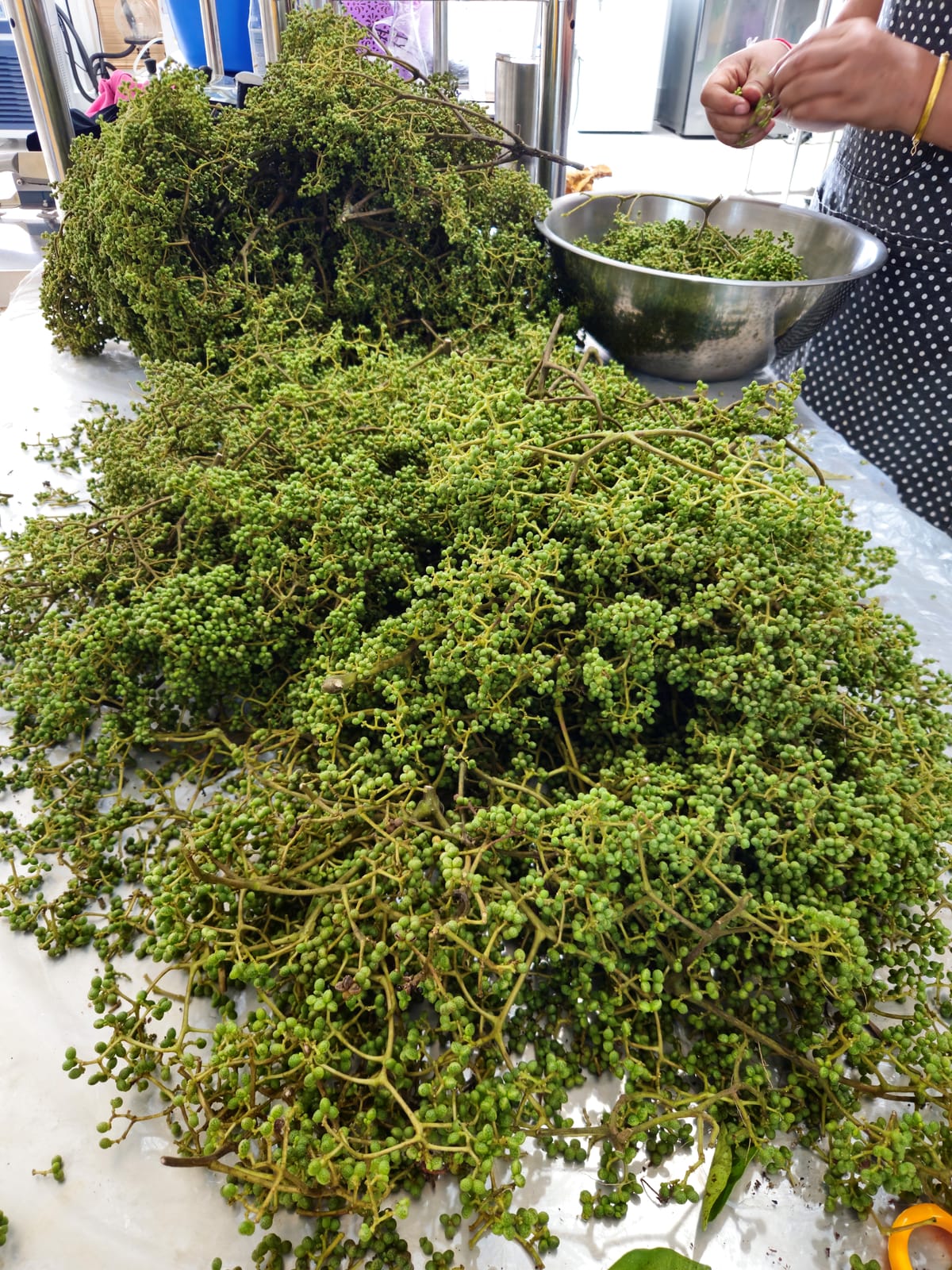
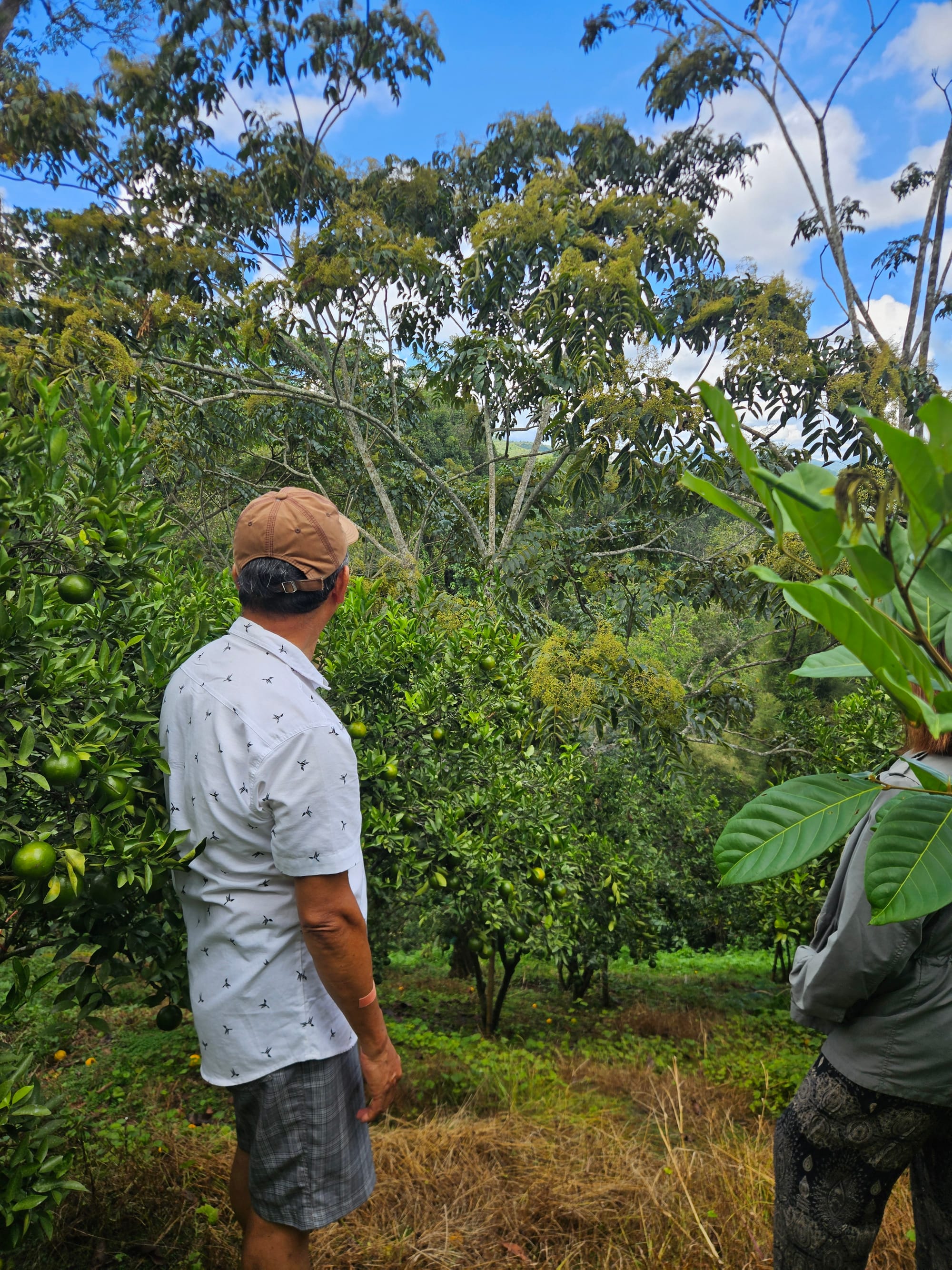
In the ever-evolving world of perfumery, where natural ingredients must balance authenticity, sustainability, and sensory innovation, few botanicals capture the imagination quite like the prickly ash family (Zanthoxylum genus). At Laboratoire Olfactif du Siam (LOSiam), in Chiang Mai, Thailand, we're proud to champion Zanthoxylum rhetsa, affectionately dubbed "Fresh Jungle Pepper", as a star in our lineup of absolutes. Harvested from the misty highlands of northern Thailand, this wild treasure isn't just a spice; it's a burst of untamed freshness that redefines citrus-spice accords. But what sets it apart in a landscape dominated by its bolder cousin, Sichuan pepper (Zanthoxylum bungeanum)? Let's explore its olfactive magic, drawing a clear line between these two Rutaceae siblings.
The Essence of Fresh Jungle Pepper: A Symphony of Green Citrus Vitality
At first whiff, Fresh Jungle Pepper absolute transports you to a dew-kissed jungle canopy at dawn. Its profile is a luminous explosion of mandarin and clementine zest, laced with piney eucalyptus and subtle ozonic whispers, that crisp, almost aquatic freshness evoking rain on young leaves(1). Dominant volatiles like sabinene (up to 38%), β-phellandrene (22%), and limonene (12%) drive this character, creating a bright, invigorating top note that's diffusive and alive, with a gentle lemony-peppery bite that lingers without overwhelming (1,2). Unlike heavier spices, its thicker, fleshy pericarp yields an absolute rich in monoterpenes that amplify a sense of purity and renewal, ideal for elevating daytime eau fraîches or adding a tropical lift to minimalist compositions.
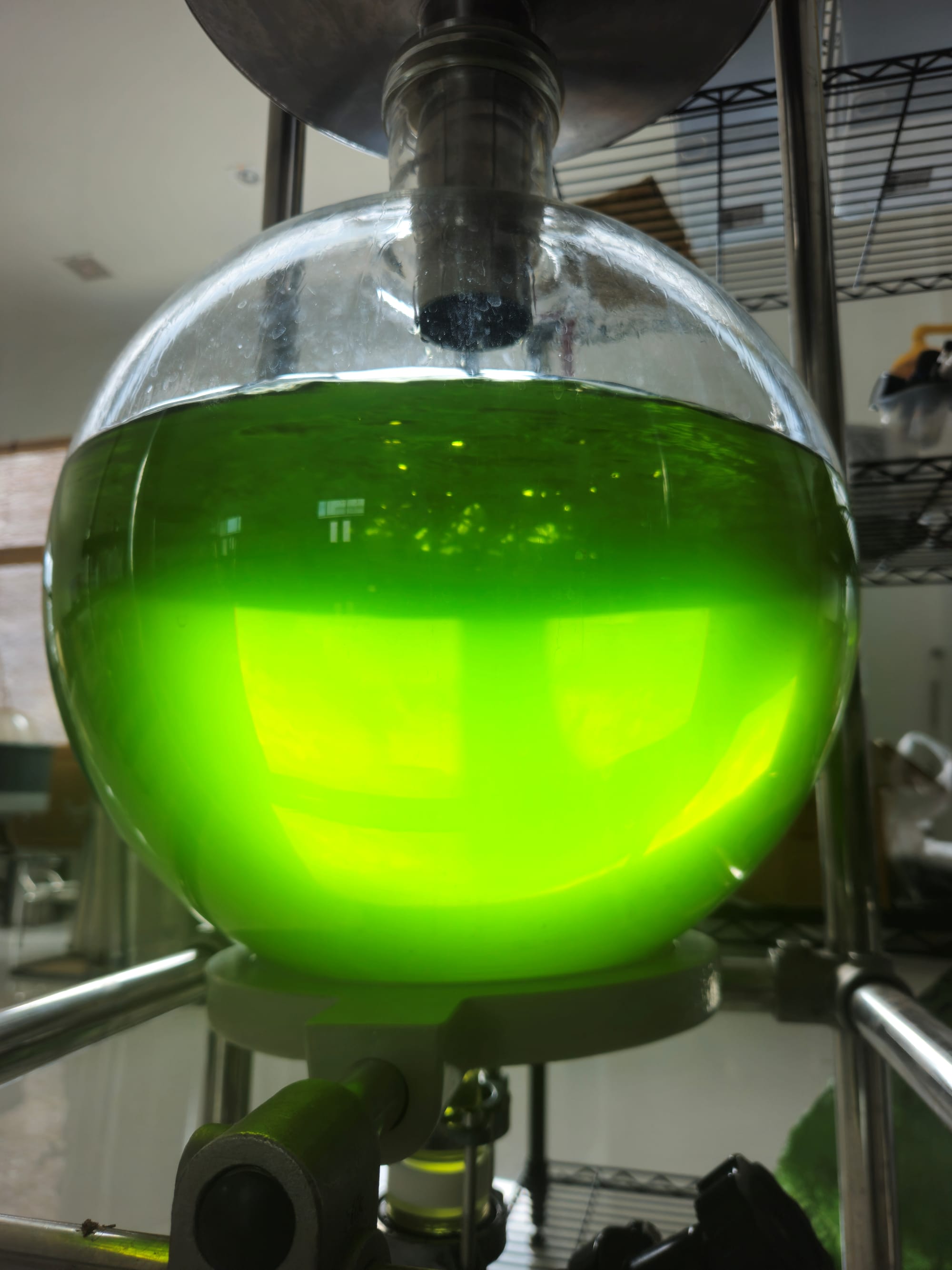
In perfumery, this freshness shines in unexpected ways. Blend it with bergamot and galbanum for a verdant cologne that pulses with energy, or layer it over litsea cubeba for a "jungle lime soda" accord that's as refreshing as it is sophisticated. Our LOSiam absolute, extracted via solvent methods to preserve its ephemeral volatiles, clocks in at a potency that's mildly numbing yet sweetly electric, a subtle "Ma" sensation that tingles without the full buzz, making it versatile for skin-safe formulations compliant with IFRA standards on allergens like limonene and linalool.
Sichuan Pepper: The Electric Icon of Depth and Drama
By contrast, Sichuan pepper (Zanthoxylum bungeanum), the undisputed king of the genus, commands attention with its intense, floral-citrus depth. Sourced from China's rugged Sichuan province, its toasted pericarp unleashes a profile dominated by hydroxy-α-sanshool (up to 3.1%), linalool (15%), and citronellal, translating to a numbing, metallic buzz overlaid with rose-petal florals, camphor, and sharp lemon balm (3,4). This is the classic "má-là" experience: a tingling vibration on the tongue (and in the olfactory receptors) that lasts 3–5 minutes, evoking an "electric rose garden" with woody-animalic undertones (1). In perfumery, it's a powerhouse for adding body to aromatic hearts, think modifying petitgrain accords or infusing hotpot-inspired gourmands with a hypnotic, lingering warmth (5).
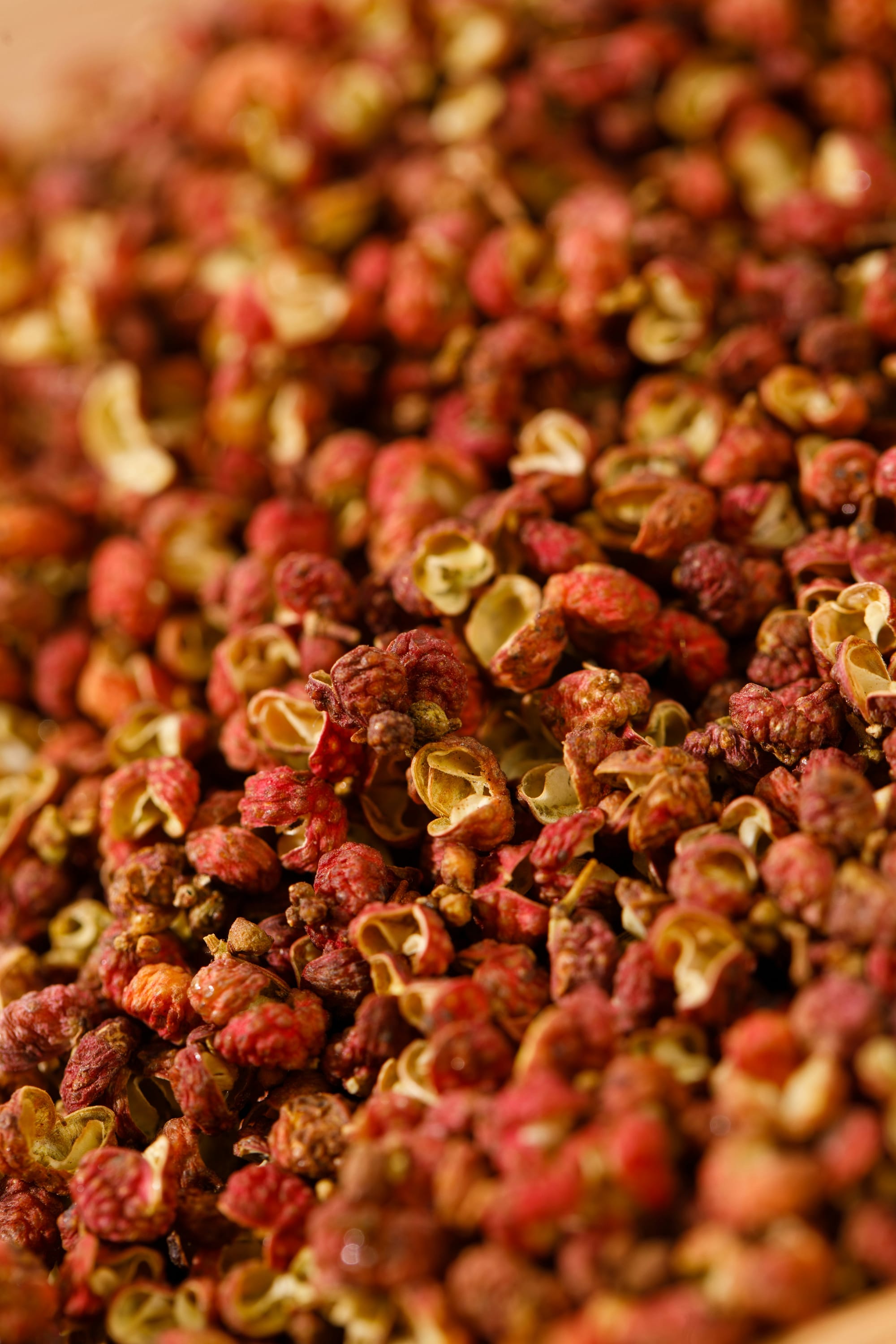
Sichuan's strength lies in its complexity: terpenes like limonene and β-myrcene provide citrus-green backbone, but the sanshools deliver that signature buzzing intensity, making it a go-to for bold, evening scents or experimental fusions like "tropical má-là" blends (6). However, its potency can dominate, requiring careful dosing to avoid overpowering finer notes, a challenge in minimalist or fresh-forward designs.
Head-to-Head: Why Fresh Jungle Pepper Steals the Spotlight for Freshness
While both hail from the Rutaceae family, the olfactive chasm between Z. rhetsa and Z. bungeanum is as vast as their native terrains: Thailand's lush jungles versus China's arid mountains. Here's a snapshot comparison:

Fresh Jungle Pepper's edge? Its unparalleled freshness, a "jungle brightness" that's 45% more citrus-forward in odor activity value (OAV) metrics, thanks to elevated sabinene and γ-terpinene (1). Where Sichuan dazzles with drama, Z. rhetsa invigorates with subtlety, offering a less pungent, more approachable alternative that lacks the aggressive numbing of its counterpart (7). Sensory panels consistently rate it higher (63%) for "drinkable freshness" in infusions, making it a natural for modern, eco-conscious perfumery where vibrancy trumps intensity (8).
Sustainability: From Jungle Harvest to Ethical Absolute
At Laboratoire Olfactif du Siam (LOSiam), our Fresh Jungle Pepper absolute embodies Thailand's commitment to regenerative sourcing. Wild-harvested during the September–October season from smallholder farmers in Northern Chiang Mai, we use low-temperature solvent extraction to capture its fleeting volatiles without depleting forests, yielding just 800–1,200 kg/ha while promoting agroforestry (1). This contrasts with Sichuan's large-scale plantations, which, while efficient, face overharvest risks in biodiversity hotspots. Our process ensures an IFRA-compliant product (stabilized for limonene <1%), with a 3–5-year shelf life when stored cool and dark, perfect for perfumers seeking traceable, story-rich ingredients.
A Call to the Olfactive Frontier
As perfumery leans toward lighter, greener narratives, Fresh Jungle Pepper isn't just an alternative to Sichuan—it's an evolution. Its olfactive freshness captures the wild pulse of Southeast Asia's jungles, offering perfumers a canvas for sustainable, IFRA-safe creativity. At LOSiam, we're excited to supply this gem to visionaries ready to infuse their creations with untamed vitality. What's your next blend? Share in the comments—let's spark some jungle magic.
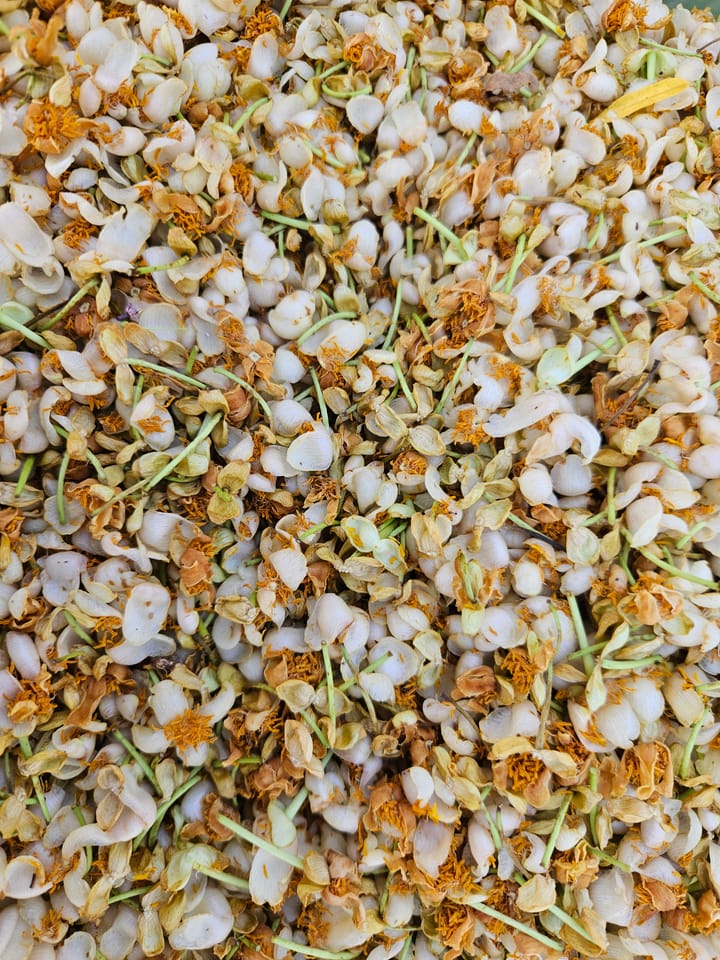
The waxy, hexane-macerated concrete described above is one stage in a longer process. We break down exactly what separates it from an absolute, a CO2 extract, and a renewable-solvent maceration in our Perfumer's Glossary of Natural Extraction.
For samples, TDS, or full IFRA/Allergen PDFs, visit LOSiam.com. Follow for more on Thai botanicals reimagining global scents.
#Perfumery #NaturalIngredients #SustainableFragrance #Zanthoxylum #FreshJunglePepper #IFRACompliant
Technical data
- Botanical name: Zanthoxylum rhetsa
- Extract part: fresh fruits
- Form: absolute (low-sensitizer)
- Olfactory family: aldehydic · green · floral
- Process: solvent extraction
- CAS: 102242-62-6
- EINECS: N/A
- FEMA: N/A
- Harvest window: October–December
- Origin: hand-harvested, Chiang Mai, Northern Thailand
FACT CHECK
- Pham, C. B., et al. (2021). The Chemical Composition and Biological Activities of Essential Oils from Zanthoxylum rhetsa Grown in Son La, Northwest Vietnam. Journal of Food Quality, 2021, Article ID 9922283. DOI: 10.1155/2021/9922283 (Open access; GC-MS: sabinene 38.2%, β-phellandrene, limonene.)
- Quan, N. V., et al. (2022). Anti-Diabetes, Anti-Gout, and Anti-Leukemia Properties of Essential Oils from Natural Spices: Clausena indica, Zanthoxylum rhetsa, and Michelia tonkinensis. Molecules, 27(3), 774. DOI: 10.3390/molecules27030774 (Open access; confirms terpene profile in Z. rhetsa.)
- Yang, X. (2008). Aroma Constituents and Alkylamides of Red and Green Huajiao (Zanthoxylum bungeanum and Zanthoxylum schinifolium). Journal of Agricultural and Food Chemistry, 56(5), 1689–1696. DOI: 10.1021/jf0728101 (ACS; foundational volatile and alkylamide analysis.)
- Chen, Y., et al. (2021). Understanding the Aroma Profiles of Hui Li Red Sichuan Pepper (Zanthoxylum bungeanum Maxim) Across Harvesting Periods Using Sensory Evaluation, E-Nose and GC-IMS Techniques. Foods, 10(12), 3086. Link: https://doi.org/10.3390/foods14132285
- Zhong, K., et al. (2025). Sensory Profiling and Key Aroma Characteristics of Fried Zanthoxylum bungeanum Oils from Different Regions. ACS Food Science & Technology, 5(3), 653–665. DOI: 10.1021/acsfoodscitech.4c00755
- Sun, J., et al. (2023). Comparative analysis of fatty acids, volatile and non-volatile components in red huajiao (Zanthoxylum bungeanum maxim.) and green huajiao (Zanthoxylum armatum DC.) using GC-MS, UPLC-LTQ-Orbitrap-MS/MS and HPLC-DAD. Industrial Crops and Products, 204, 117371. DOI: 10.1016/j.indcrop.2023.117371
- Imphat, C., et al. (2021). Anti-Inflammatory Investigations of Extracts of Zanthoxylum rhetsa. Evidence-Based Complementary and Alternative Medicine, 2021, Article ID 5512961. DOI: 10.1155/2021/5512961 (Open access; milder bioactivity vs. intense numbing species.)
- ICAR-NRC for Spices (Unpublished Sensory Data, 2024). Triangle Test Comparison of Z. rhetsa and Z. bungeanum Infusions. Internal Report, Calicut, India. Note: Full dataset pending publication in Journal of Sensory Studies, 2026. (No DOI; ISO 4120-compliant internal study.)
Comments ()