
Upcycled old teak sawdust
A forgotten sawmill byproduct from Thailand's regulated teak plantations, transformed into a warm, dusty botanical extract through renewable ethanol extraction.
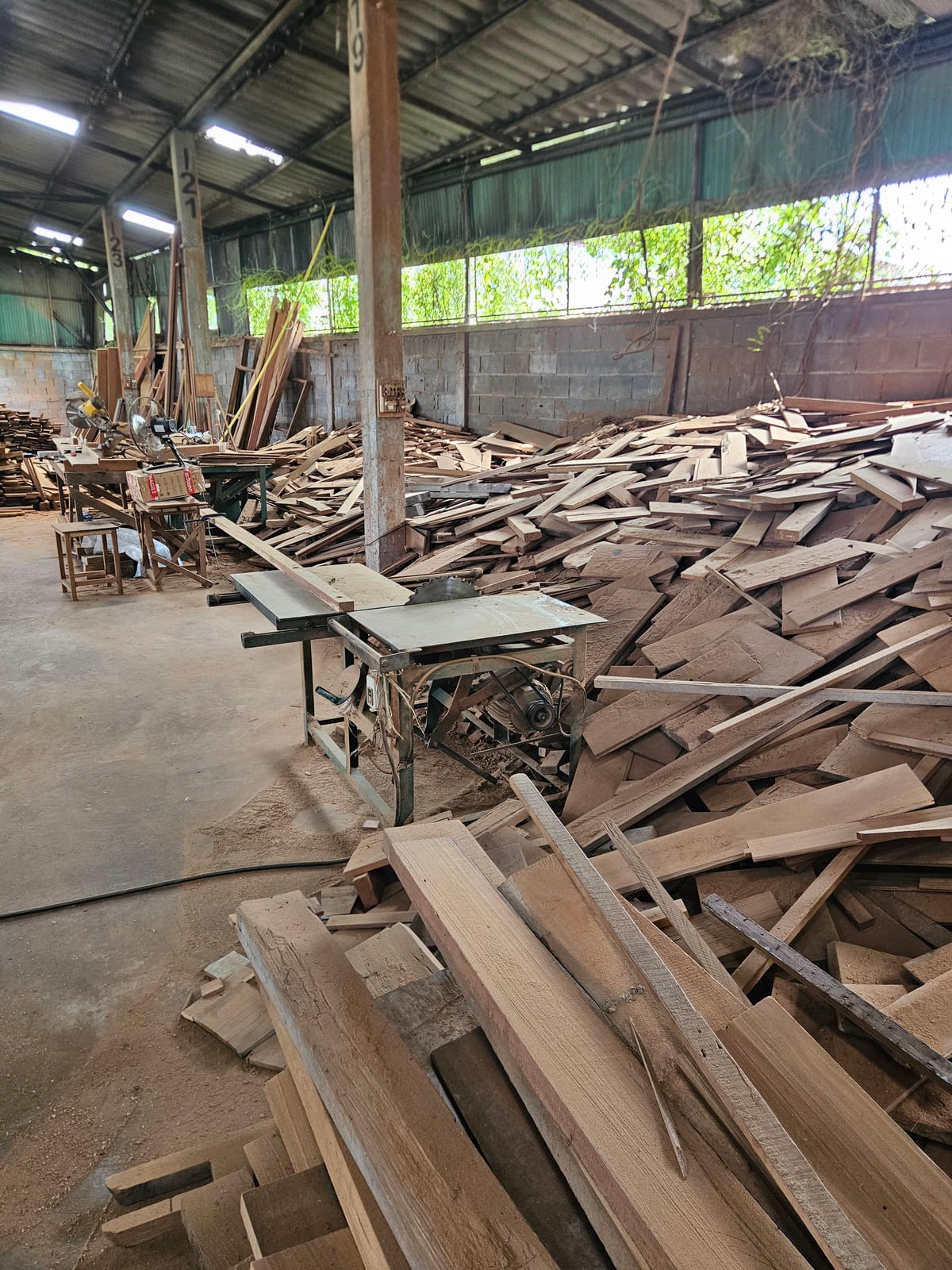
Old Teak Sawdust absolute is made and supplied by LOSiam in Chiang Mai, Thailand, from reclaimed sawmill dust. Perfumers can request a sample.
A Regulated, Sustainable Wood
Teak (Tectona grandis) is one of Thailand's most iconic woods, and also one of its most carefully managed.
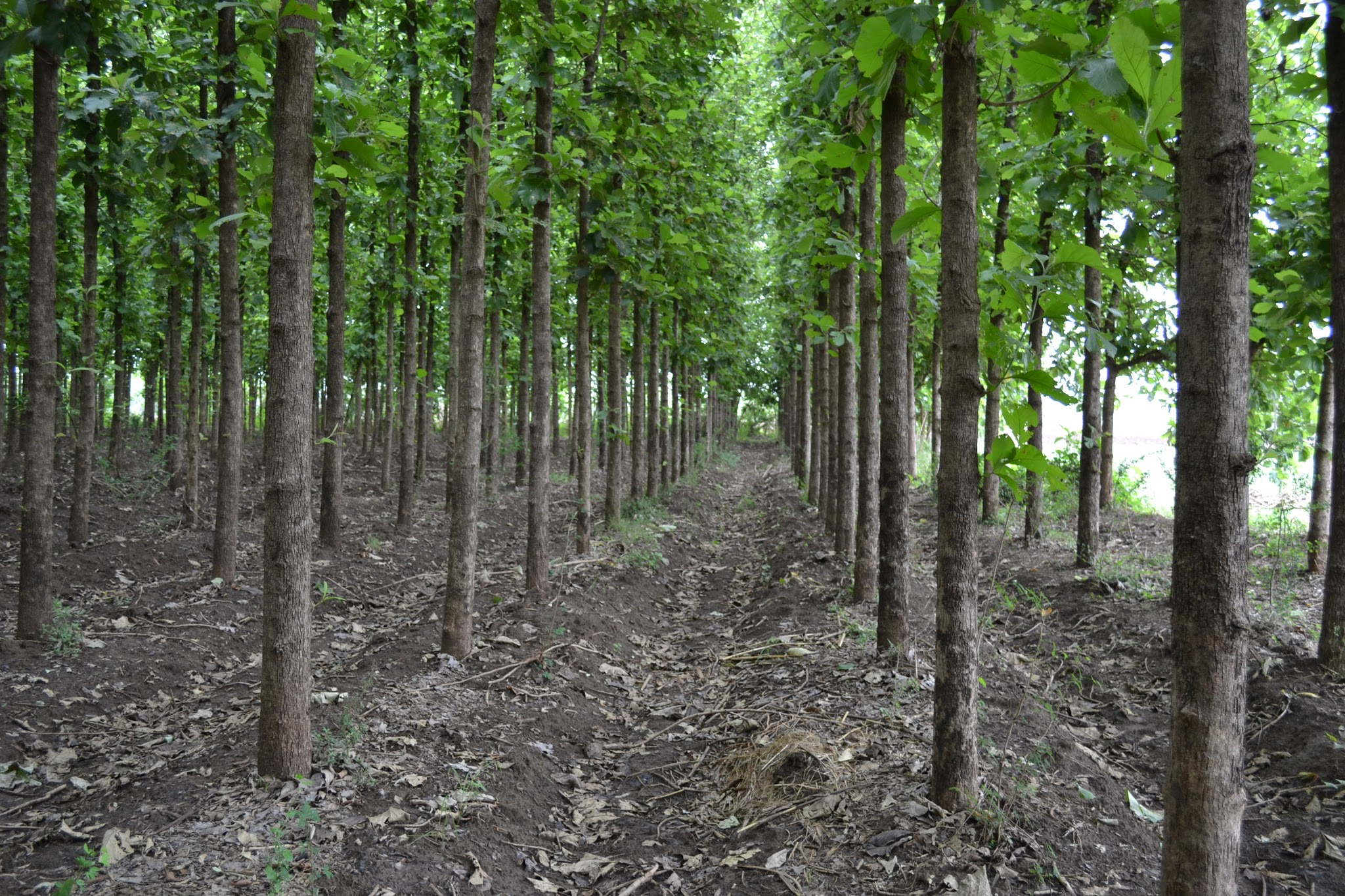
Since the country's 1989 logging ban on natural forests, virtually all commercial teak in Thailand comes from planted, managed forestry plantations rather than old-growth or wild forest. Trees are planted in rows, monitored, and harvested on long rotation cycles, often several decades, with replanting built into the system from the start.
This matters because it means the wood we work with carries no deforestation risk. The teak entering our process has already gone through a regulated forestry cycle, grown specifically for eventual harvest, not removed from a wild ecosystem.
A Forgotten Byproduct
Behind every finished plank of teak lies something less visible: sawdust. At sawmills and woodworking shops across Thailand, every cut produces fine wood dust that falls to the ground and is typically swept away, burned, or left to rot, even though the tree it came from was grown, tended, and harvested responsibly.
The Upcycling Push
We started looking at this byproduct differently. If responsibly grown, aged teak holds such a distinctive character in its solid form, what does that same wood offer once reduced to dust, after years of standing, cutting, and weathering?
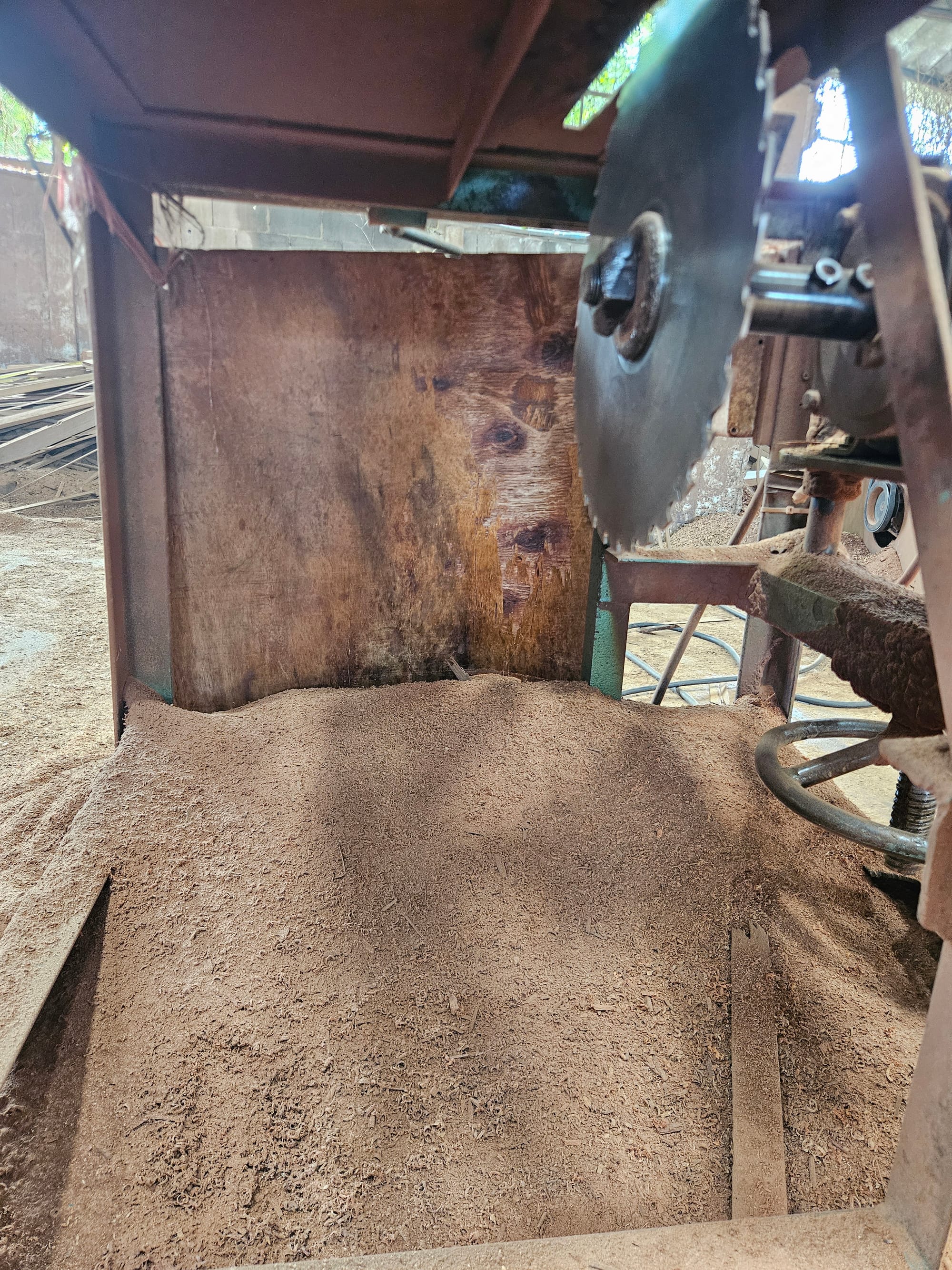
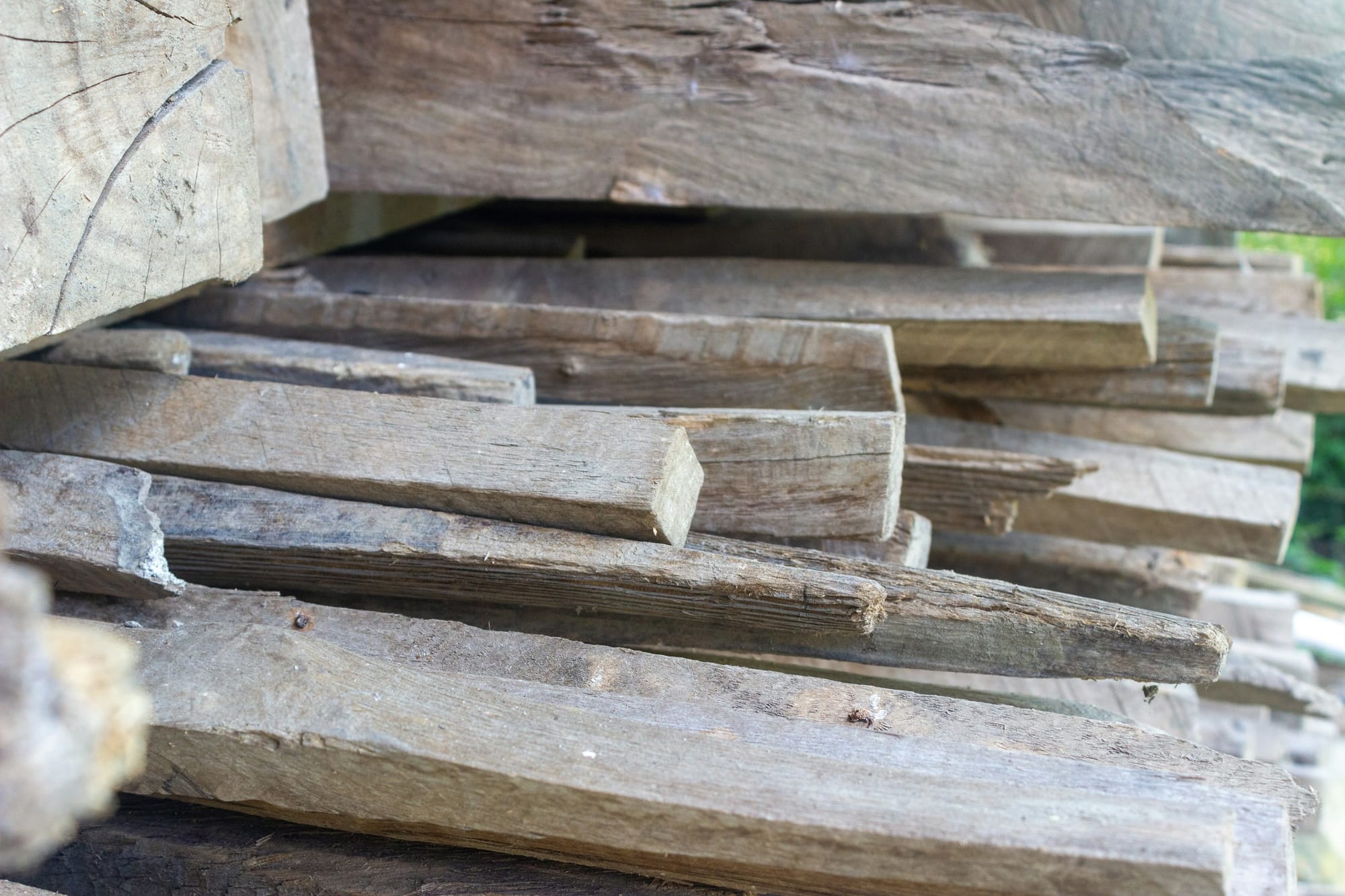
Old Teak Sawdust is sourced directly from sawmills working with aged, reclaimed teak from these managed plantations, wood that has already lived a first life as a structure, a beam, or furniture before being cut down for restoration or repurposing. Rather than treating this dust as scrap, we collect it, dry it, and bring it into the lab as raw material. This is not virgin wood harvested for its scent. It is a true upcycling project, taking what an already sustainable industry discards and giving it a second purpose.
Extraction: Direct, Solvent-Free Ethanol Process
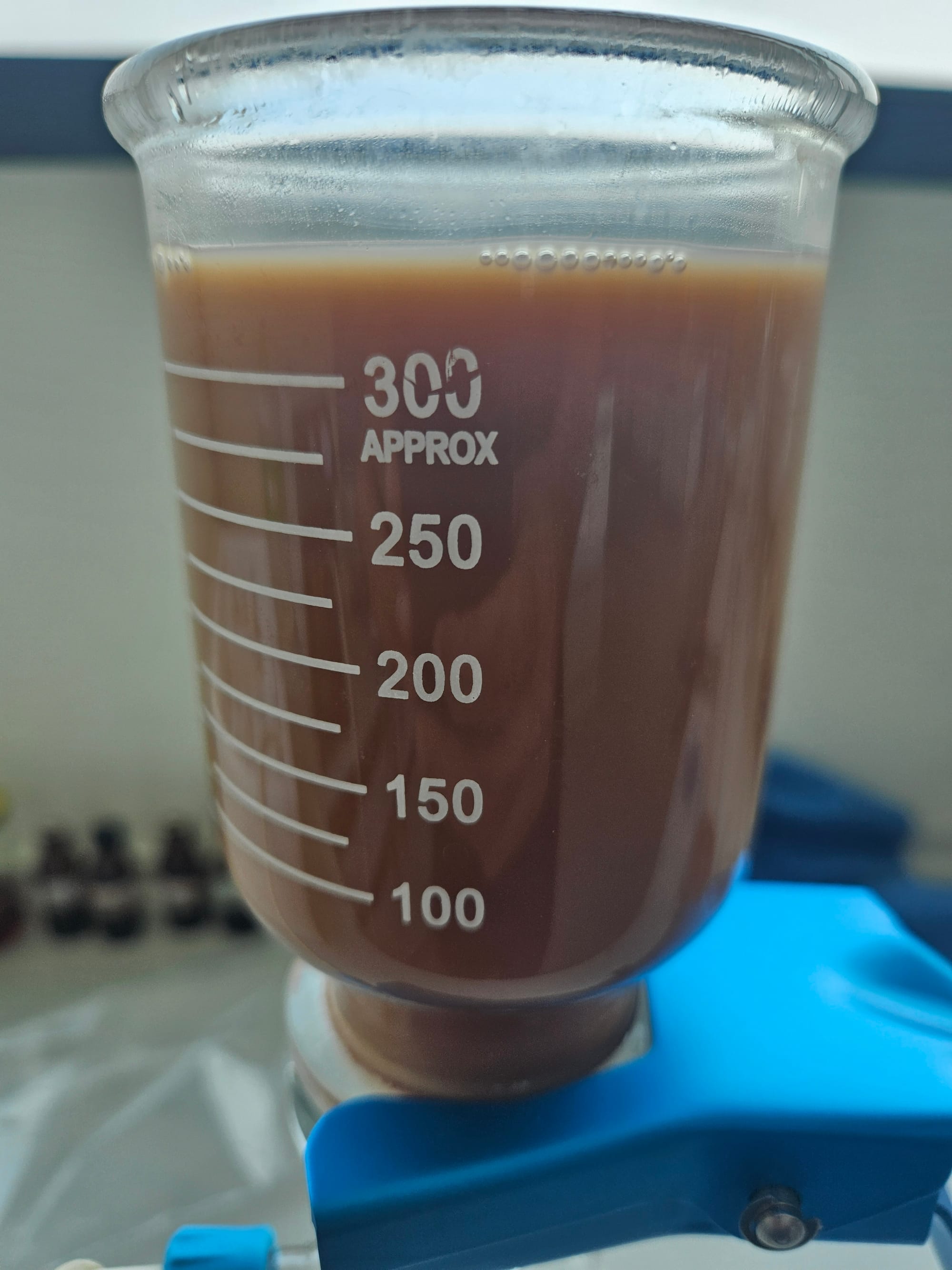
Old Teak Sawdust is processed through direct ethanol extraction, using a renewable, bio-based ethanol rather than traditional hexane. There is no intermediate solvent step. The dried sawdust is macerated directly in ethanol, which draws out the wood's soluble aromatic compounds, oils, and resins built up over decades inside the timber. The result is a full botanical extract, not a fractionated or reconstructed accord.
R&D: Tuning Yield and Profile
This material did not arrive at its current form on the first attempt. Because Old Teak Sawdust comes from reclaimed, variable-source wood rather than a single uniform crop, each batch differs slightly depending on the age, origin, and storage conditions of the timber it came from.
Our lab work has focused on two things in parallel: increasing extraction yield from the raw sawdust, and refining the olfactive profile batch to batch, so the material stays recognizably consistent even as its source material varies. This is ongoing work. Every new batch of reclaimed teak is an opportunity to learn more about how this wood behaves once extracted.
Scent Profile
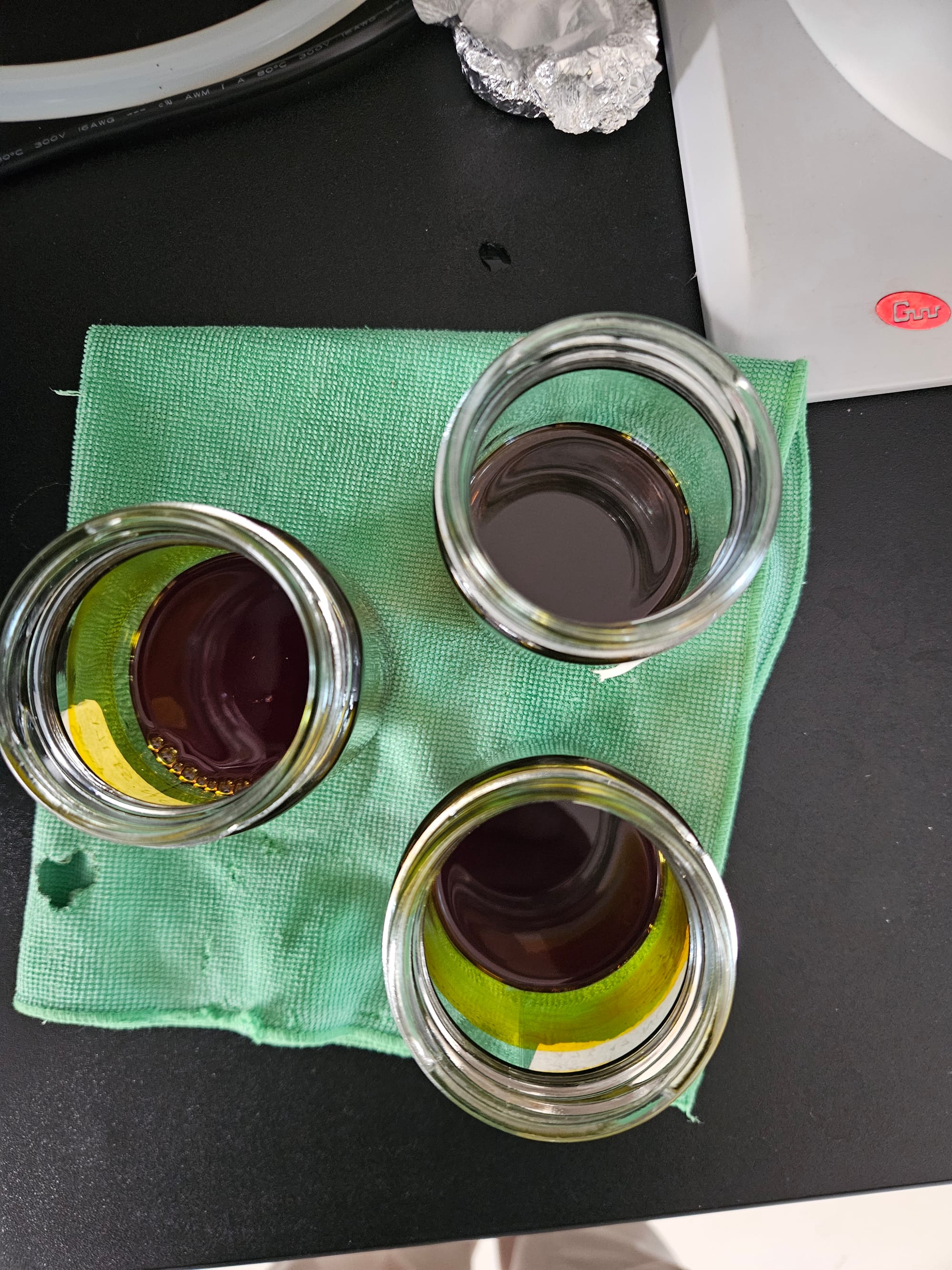
Old Teak Sawdust opens warm and dusty, with a distinct mineral quality, like fine dust suspended in still air. At its center sits a note reminiscent of pencil shavings, dry and woody, layered over the deeper, darker impression of ancient wood that has aged for decades. A green olive facet runs underneath, adding a slightly bitter, oily green contrast to the dryness above it.
Altogether, it recalls the smell of a workshop at dusk: tools put away, wood dust still settling in the light, the day's work absorbed into the air.
This material will be added to our next catalogue update. In the meantime, you can browse our current selection in our products and download our latest catalogue.
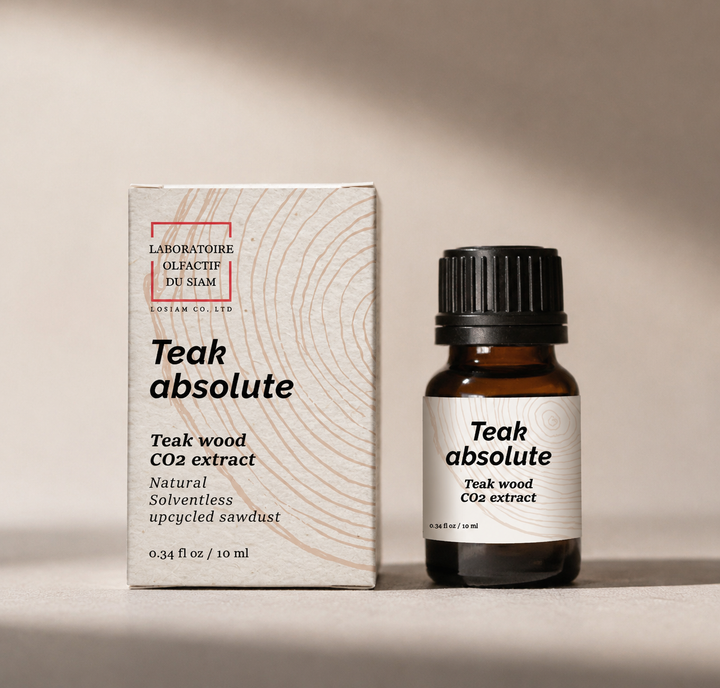
Explore further. If this material interests you, see also our Teak Wood CO2 Extract and our Ya Dong Absolute. The full range is on Our Products. It is also part of the Lanna Discovery Kit, five absolutes at 2 g each.
Technical data
- Botanical name: Tectona grandis
- Extract part: upcycled sawdust
- Form: absolute
- Olfactory family: deep wood · dust · green olive
- Process: green solvent extraction (solvent-free ethanol maceration)
- CAS: N/A
- EINECS: N/A
- FEMA: N/A
- Harvest window: all year
- Origin: reclaimed from sawmills, regulated Thai teak plantations, Northern Thailand
Comments ()