Discover how Thai Ya Dong's unique earthy, herbal, and funky aroma — from red sappan wood, Thai Black Ginger, Elephant's Foot & Tiger's Strength — inspires modern fine perfumery, bridging ancient tradition with luxury fragrance.
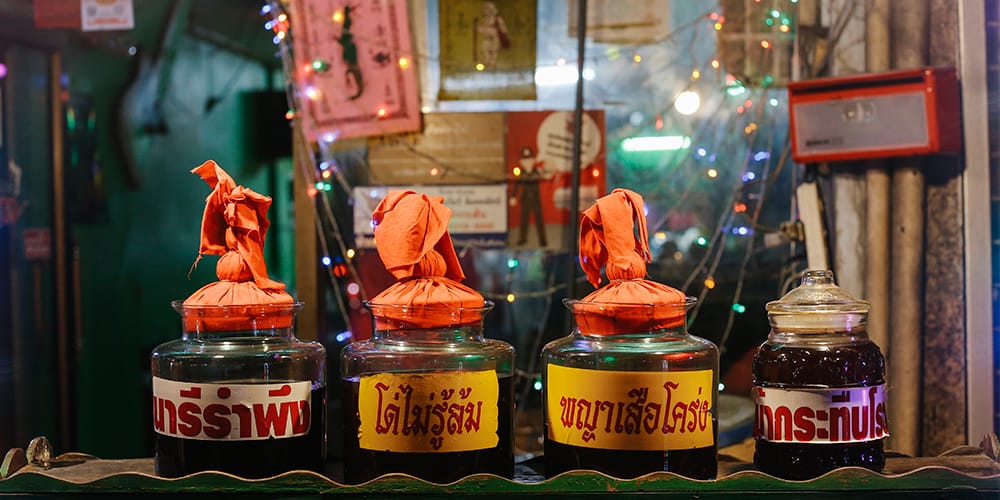
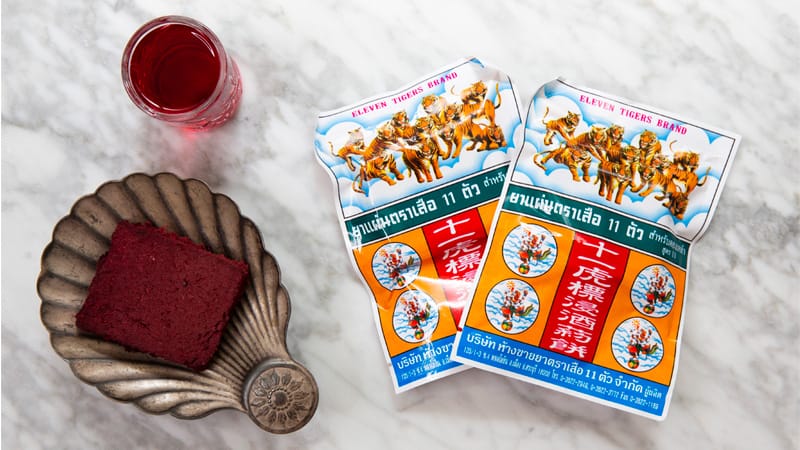
Living in Chiang Mai, I'm deeply immersed in Thailand's vibrant herbal heritage, where Ya Dong (ยา ดอง), the legendary "pickled medicine" spirit – captivates with its extraordinarily complex aroma and its striking visual identity. This potent infusion of roots, bark, woods, and botanicals in strong rice alcohol (lao khao) delivers a signature scent: profoundly earthy, spicy, medicinal, with layers of pungent ginger-like warmth, woody depth, subtle bitterness, and that instantly recalls the atmosphere of a traditional Chinese apothecary. Beyond the olfactory profile, many authentic Ya Dong preparations boast a rich, intense red hue that adds visual drama and storytelling depth, perfect for niche fragrance concepts that play with color-inspired narratives or tinted accords.
What is Ya Dong? Traditional Thai Herbal Infusion
While many blends draw from Chinese medicinal traditions, the most iconic recipes, especially Thai popular commercial mixes like the famous "Eleven Tigers" formula, prominently feature four powerhouse ingredients as major components. These form the robust backbone of both the characteristic scent:
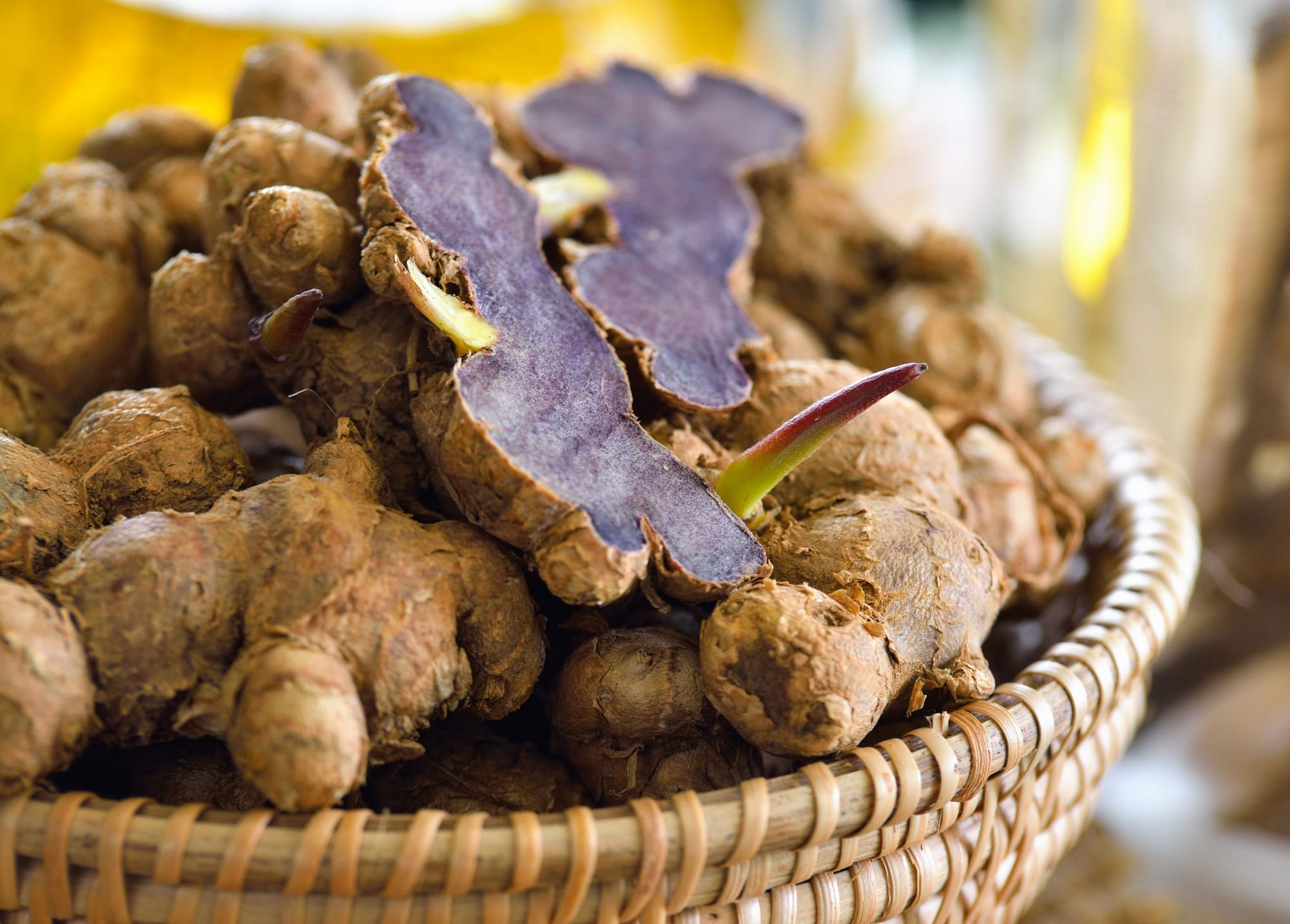
- Kaempferia parviflora (Krachai Dam / Thai Black Ginger) – A bold, earthy, slightly camphorous root with warm, spicy, and subtly sweet facets that add incredible depth and diffusion.
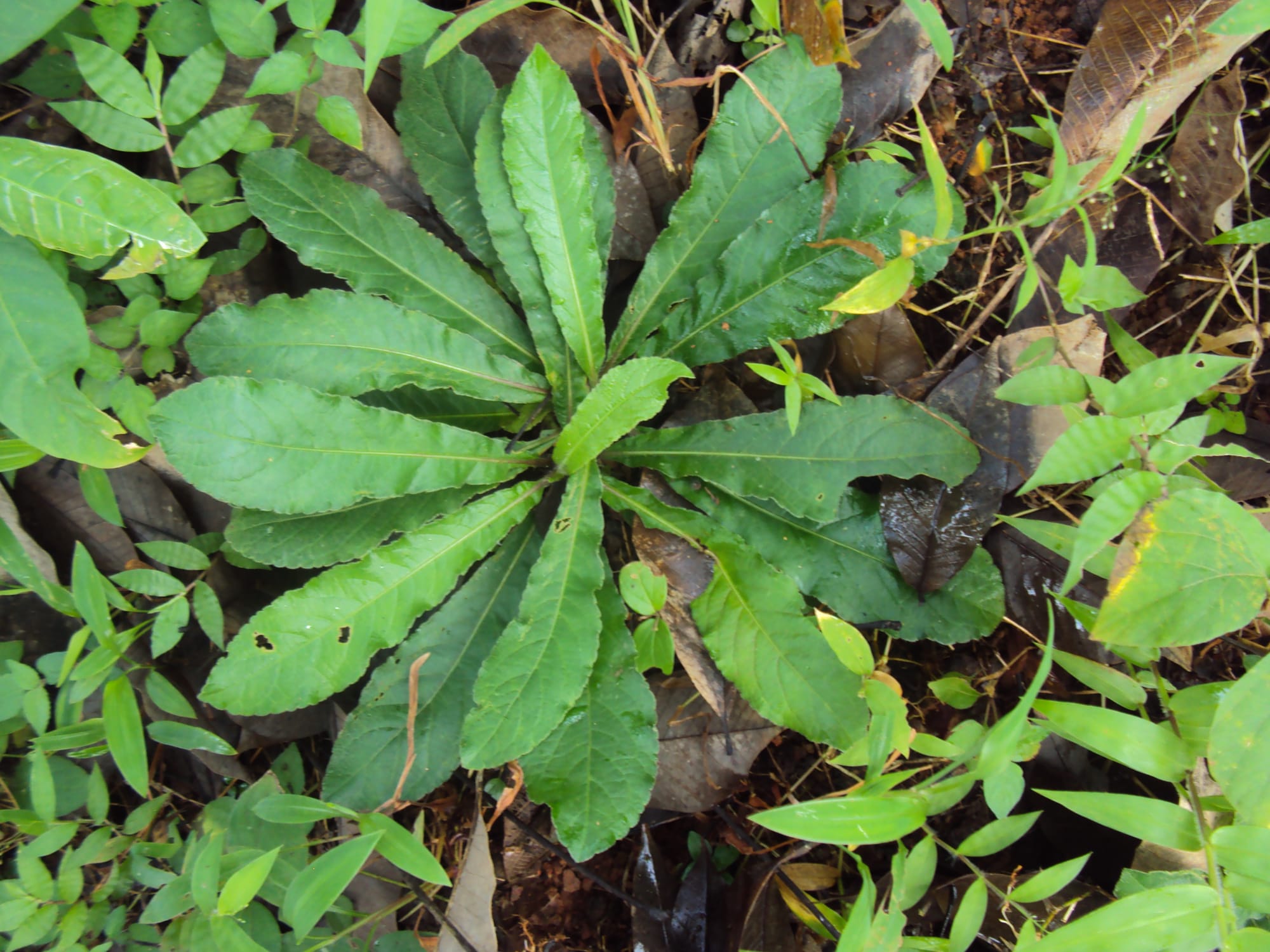
- Elephantopus scaber (Do Mai Ru Lom / Elephant's Foot) – Contributes a green, herbaceous, slightly bitter and resinous edge, evoking wild, earthy undergrowth with a touch of medicinal pungency.
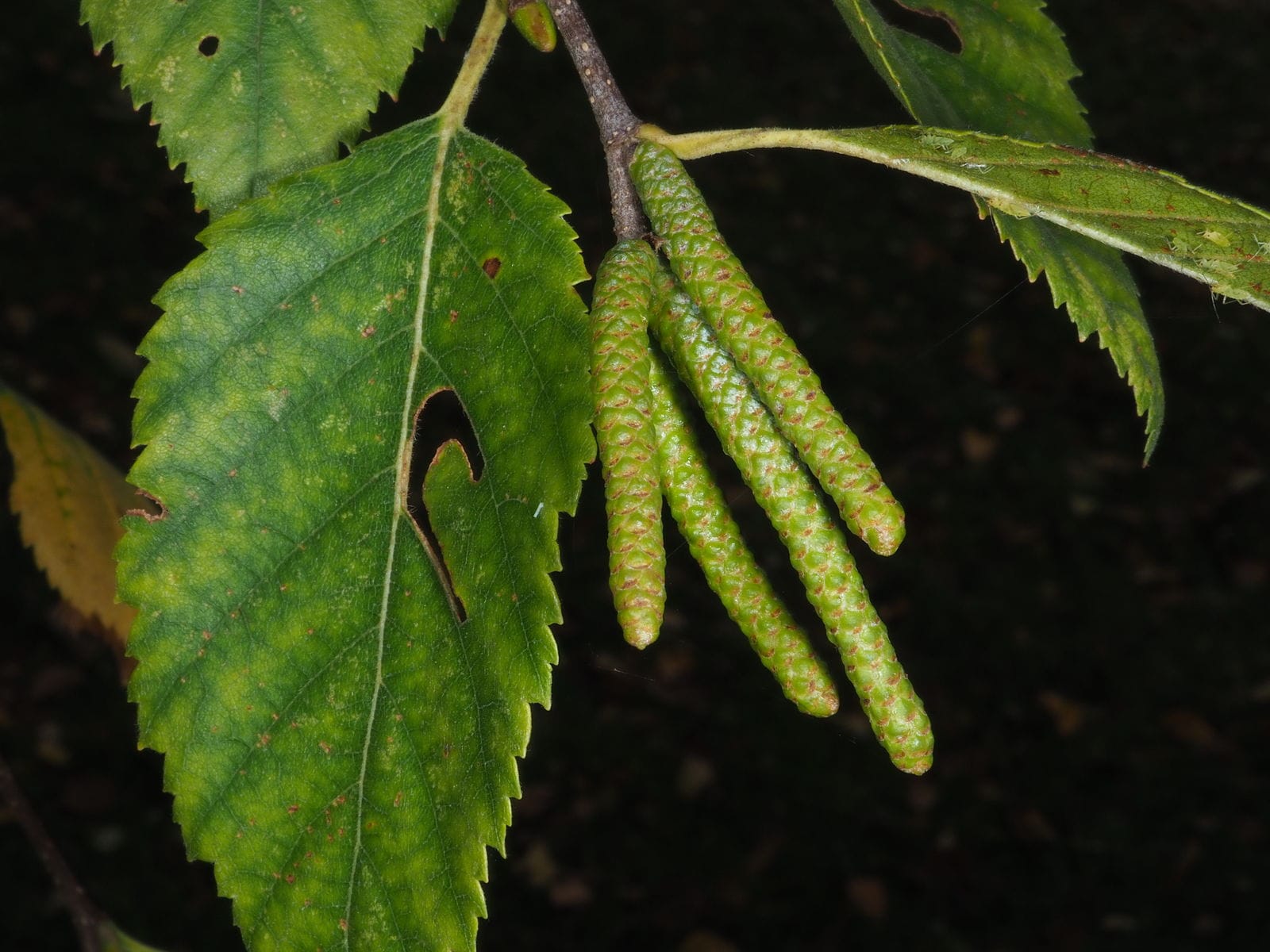
- Betula alnoides (Kam Lang Sue Krong / Tiger's Strength) – Brings woody, bark-like dryness with subtle resinous and balsamic undertones, anchoring the composition with longevity and a primal, forest-like character.
- Caesalpinia sappan (Fang Daeng / Sappan Wood) – The secret behind that signature rich, intense red color. The heartwood of this tropical tree releases brazilin, a natural red pigment that infuses the spirit with vibrant crimson to deep ruby tones (often shifting subtly with pH or time). It adds not only stunning visual appeal but also a mild, subtly woody-earthy note that complements the overall medicinal profile.
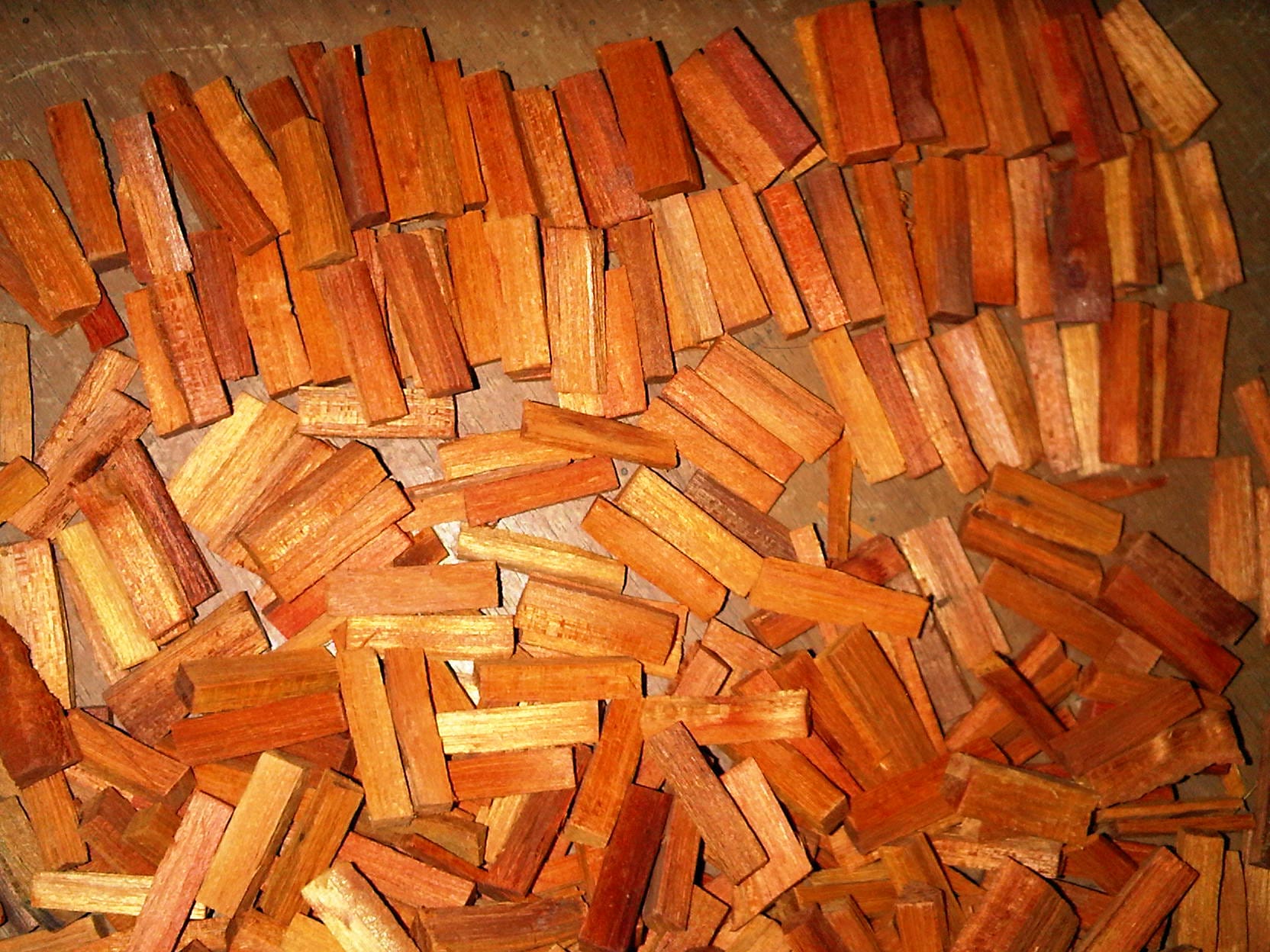
These four plants often appear in the highest proportions in traditional Ya Dong recipes (with Betula alnoides and Kaempferia parviflora frequently dominant), delivering the raw, animalic-yet-refined oriental signature perfumers seek when exploring authentic Chinese remedies base alternatives and a very Southeast Asian-inspired accords. The red from sappan wood elevates the material's appeal for fragrance houses interested in multi-sensory ingredients, scent plus inherent color for innovative packaging, layering, or conceptual storytelling.
Complementing this core quartet are other influential botanicals like Panax ginseng (rooty warmth), Angelica sinensis (musky, green-spicy bite), and Salvia miltiorrhiza (camphorous resin).
The Extraction Challenge: Maceration vs. Percolation for Perfumery-Grade Materials
To capture these evocative notes as usable fragrance ingredients, extraction technique is everything. It shapes yield, color intensity, potency, and the precise balance of top, heart, and base aromas. Using a commercial Ya Dong herbal mix (easy to source in Thai markets), I compared two key methods:
Maceration: The Traditional Slow Infusion
Herbs are coarsely chopped, fully submerged in high-proof neutral alcohol, and steeped for few days with occasional ultrasonic boosts. This gentle process excels at preserving volatile top notes, delicate nuances.
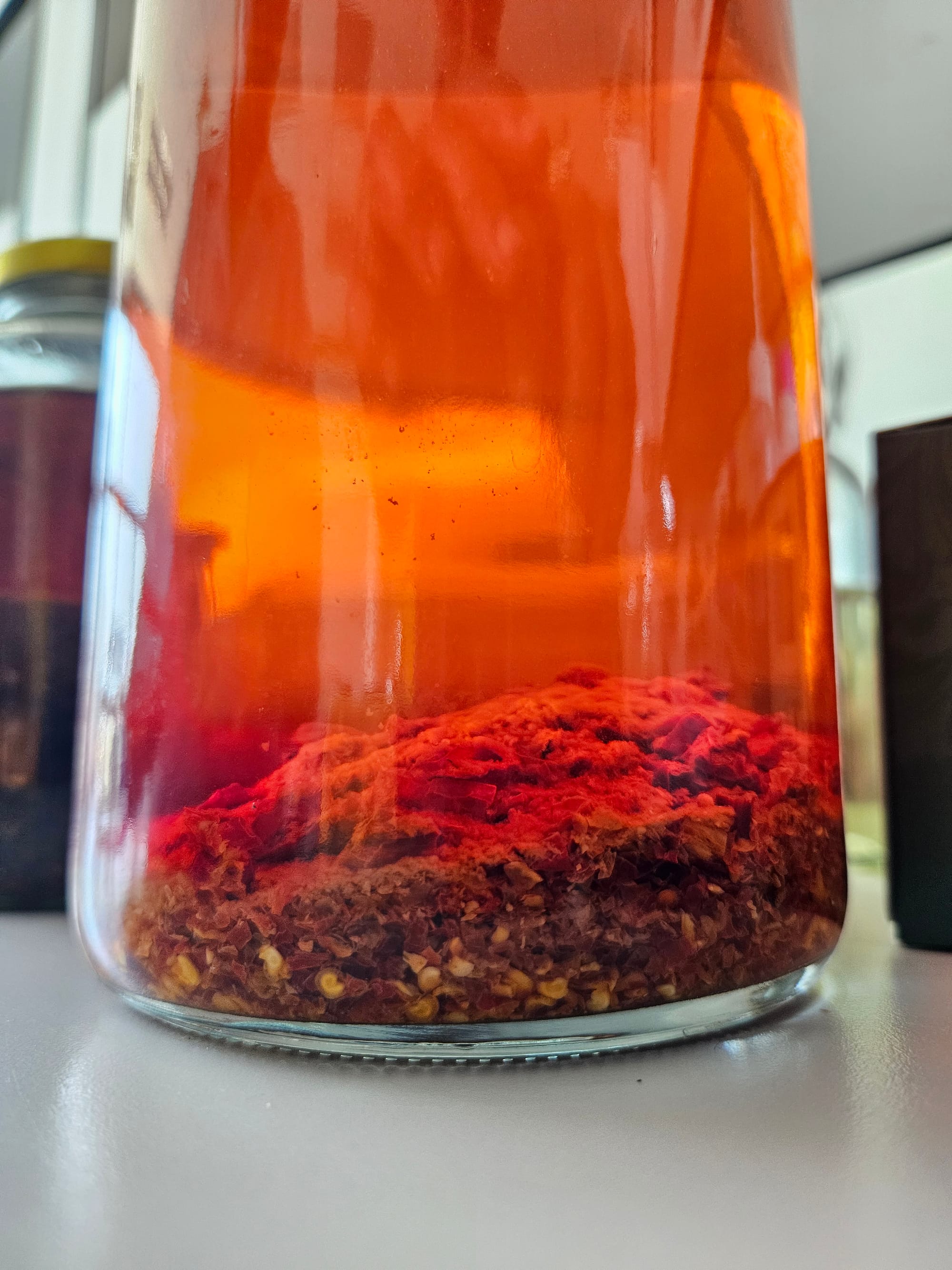
Result: A harmonious, rounded extract with smooth integration of the signature medicinal-earthy aura and vivid crimson tint, excellent for sophisticated base notes with visual impact.
Percolation: The Dynamic, Efficient Drip Method
The herb blend is packed into a column, with solvent slowly dripping through over 24–48 hours for continuous, exhaustive extraction.
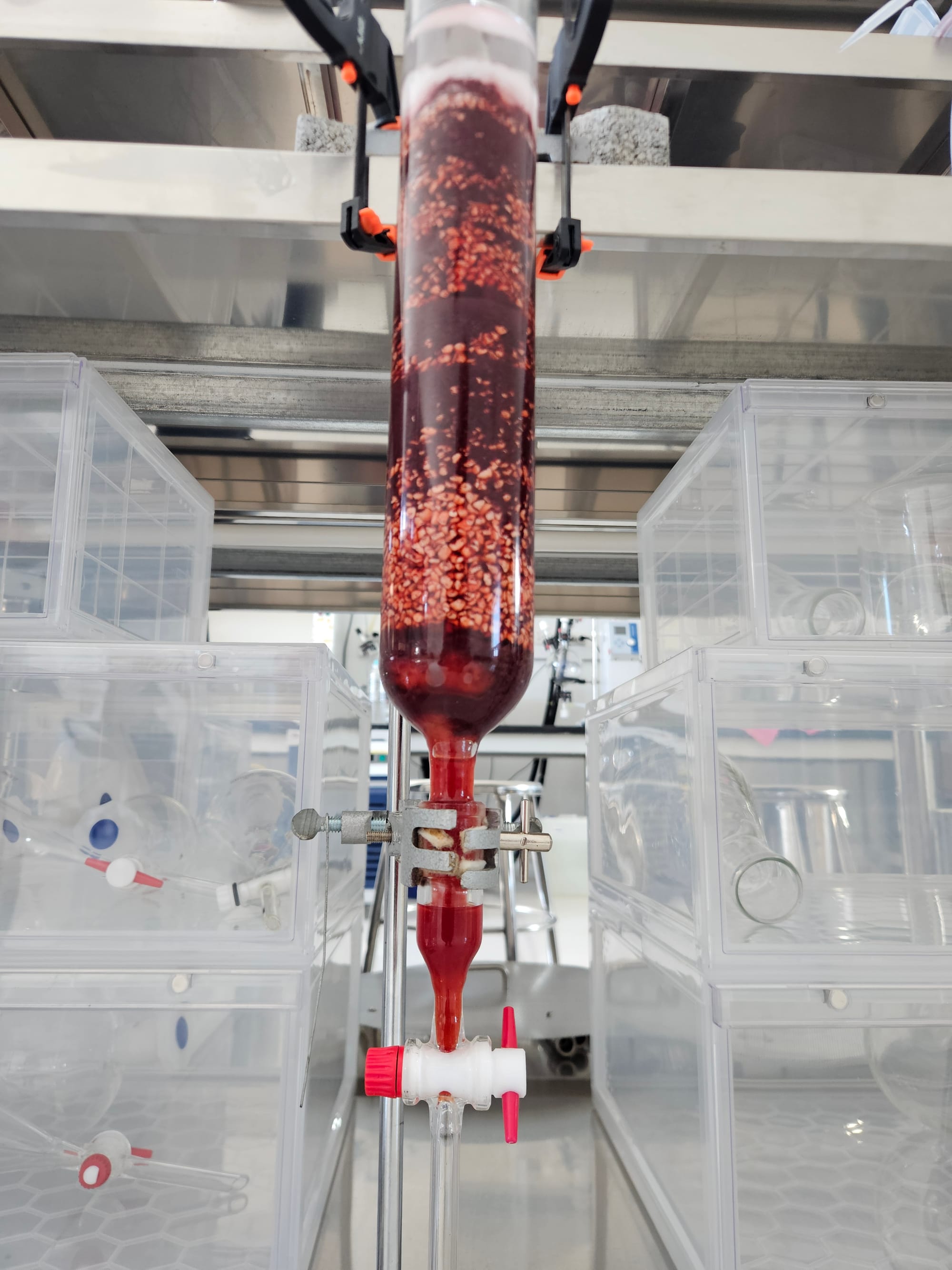
Result: A more intense, saturated profile with amplified spicy, woody, and bitter facets, plus a potent, richly colored extract, perfect for highlighting the bold character of Krachai Dam, Do Mai Ru Lom, Kam Lang Sue Krong, and the deep red from sappan wood.
Base vs. Concentrated Extracts: Tailoring for Fragrance Use
Both methods yield base extracts (standard strength for easy blending) and concentrated versions (reduced or higher-ratio for maximum impact). Percolation shines for concentrates, producing viscous, high-potency materials with enhanced color depth that stand up in perfume formulations as powerful oriental herbal bases with natural tinting potential.
Next Phase: Single-Herb Isolates for Precision Blending
I'm now deconstructing the mix by extracting each major herb individually, with special focus on Kaempferia parviflora, Elephantopus scaber, Betula alnoides, and Caesalpinia sappan. This will reveal their isolated olfactory signatures, color contributions, and synergies, allowing perfumers to craft custom accords that amplify specific facets: the spicy warmth of black ginger, the green-bitter edge of elephant's foot, the woody anchor of tiger's strength, or the rich red-tinted depth from sappan wood.
If you're a perfumer, house, or ingredient innovator drawn to bold, natural extracts from Thai-Chinese herbal traditions, especially those with storytelling, let's connect!
Are you exploring oriental, medicinal, woody-animalic profiles, or even tinted natural materials? How might these Ya Dong core notes inspire your next creation?
#NaturalPerfumery #FineFragrance #YaDong #SappanWood #ThaiBlackGinger #OrientalAccords #HerbalExtraction #ChiangMai #PerfumeryInnovation