Miang: The Scent Lanna Kept in Reserve
Miang is not tea you drink — it's tea that's chewed, fermented for months in Northern Thailand's Lanna tradition. LOSiam turns it into a rare animalic-tobacco absolute for fine perfumery, selected for Chiang Mai Design Week 2026.
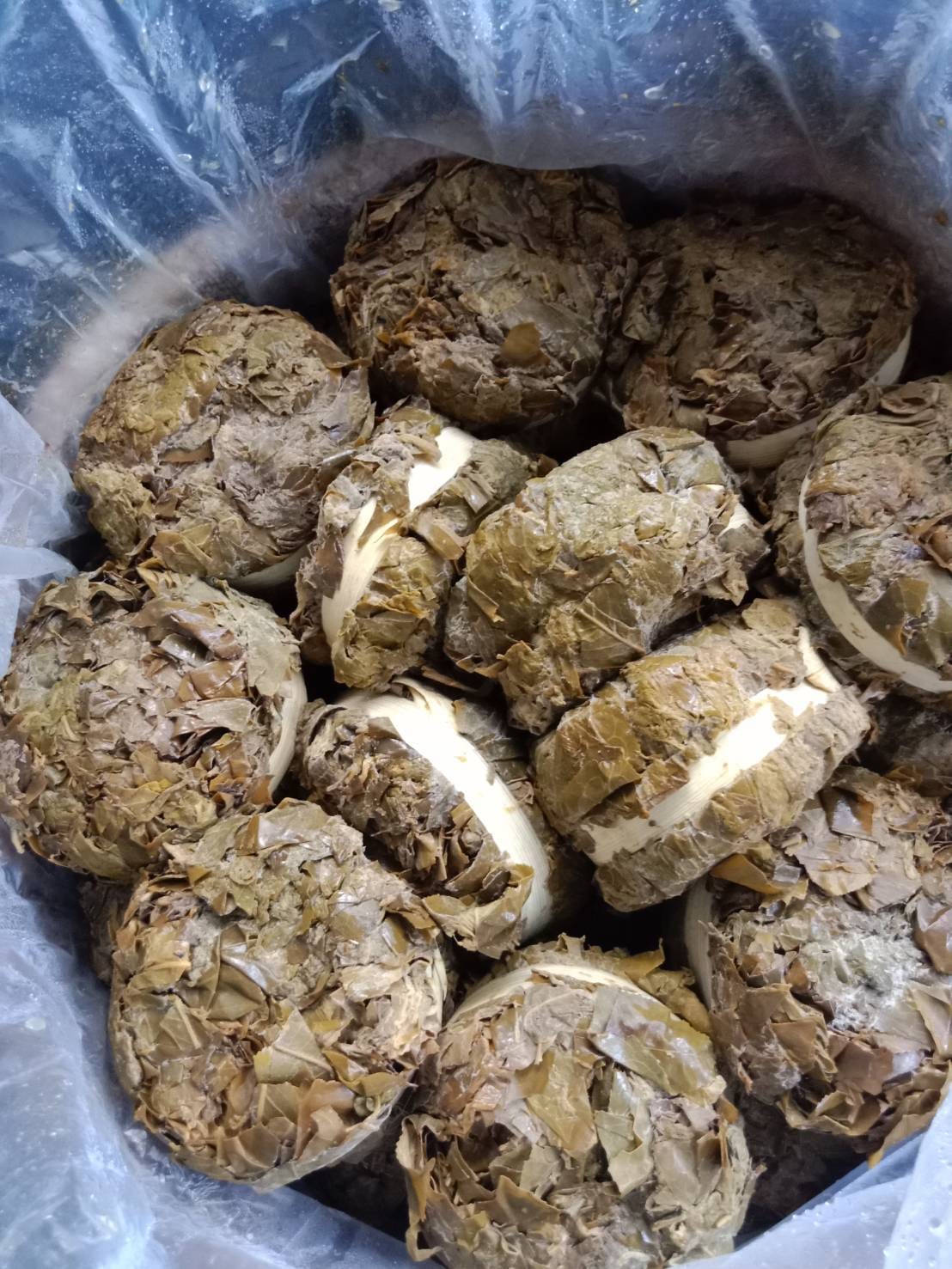
Miang absolute is now available from LOSiam, the Chiang Mai lab that extracts it from fermented Assam tea leaves. Perfumers can request a sample.
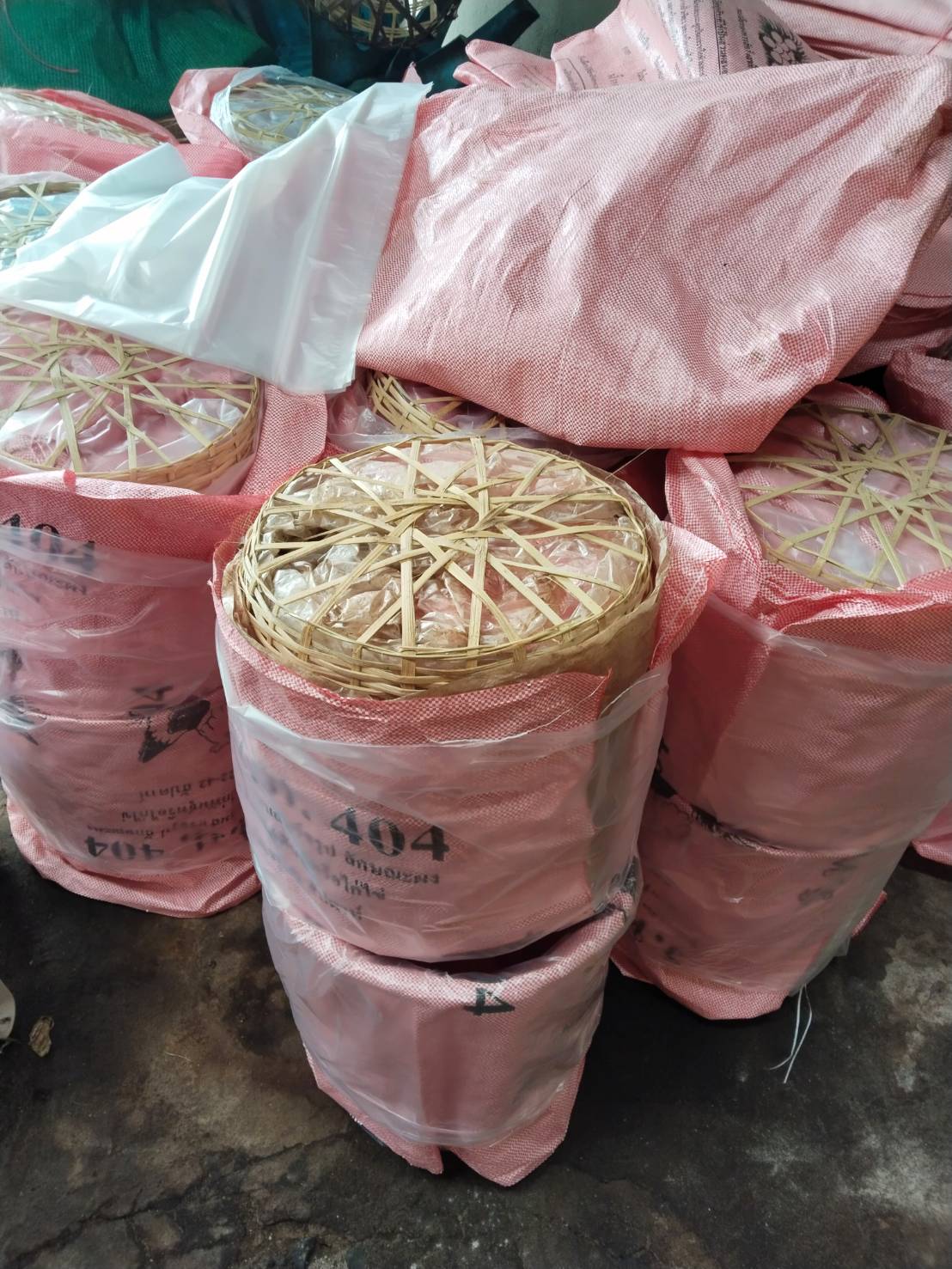
In the highlands above Chiang Mai, tea does not always end up in a cup. For centuries, the Lanna people of Northern Thailand have picked the leaves of the wild Assam tea tree (Camellia sinensis var. assamica), steamed them, packed them tightly into bamboo baskets lined with banana leaves, and left them to ferment for months, sometimes up to a year. What comes out is not a drink. It is Miang — a small, dark wad of leaf that is chewed, not brewed.
At LOSiam, Miang is the material we kept in reserve the longest. It is also, olfactively, the most unexpected thing in our collection.
An Ethnic Food, Older Than the Kingdom Itself
Miang belongs to the Lanna Kingdom's cultural bedrock, alongside laphet in Myanmar and pu-erh in Yunnan — all products of the same wild tea lineage, transformed by fermentation rather than oxidation. Historians trace its arrival to the ancient Tai, Dai and Palaung migrations from Yunnan and the Shan hills, and it has been documented as central to the khon muang way of life in the eight provinces of upper Northern Thailand — Chiang Mai, Chiang Rai, Nan, Phrae, Lampang, Lamphun, Phayao, and Mae Hong Son — for several hundred years.
Miang was never a luxury. It was a stimulant chewed after meals, a palate cleanser, a snack shared with salt, roasted coconut, peanuts or ginger, and, critically, an offering. It is served to welcome guests and appears at religious ceremonies and funerals across the region — one of the few foods that is simultaneously everyday and sacred.
Why Fermentation Is the Whole Story
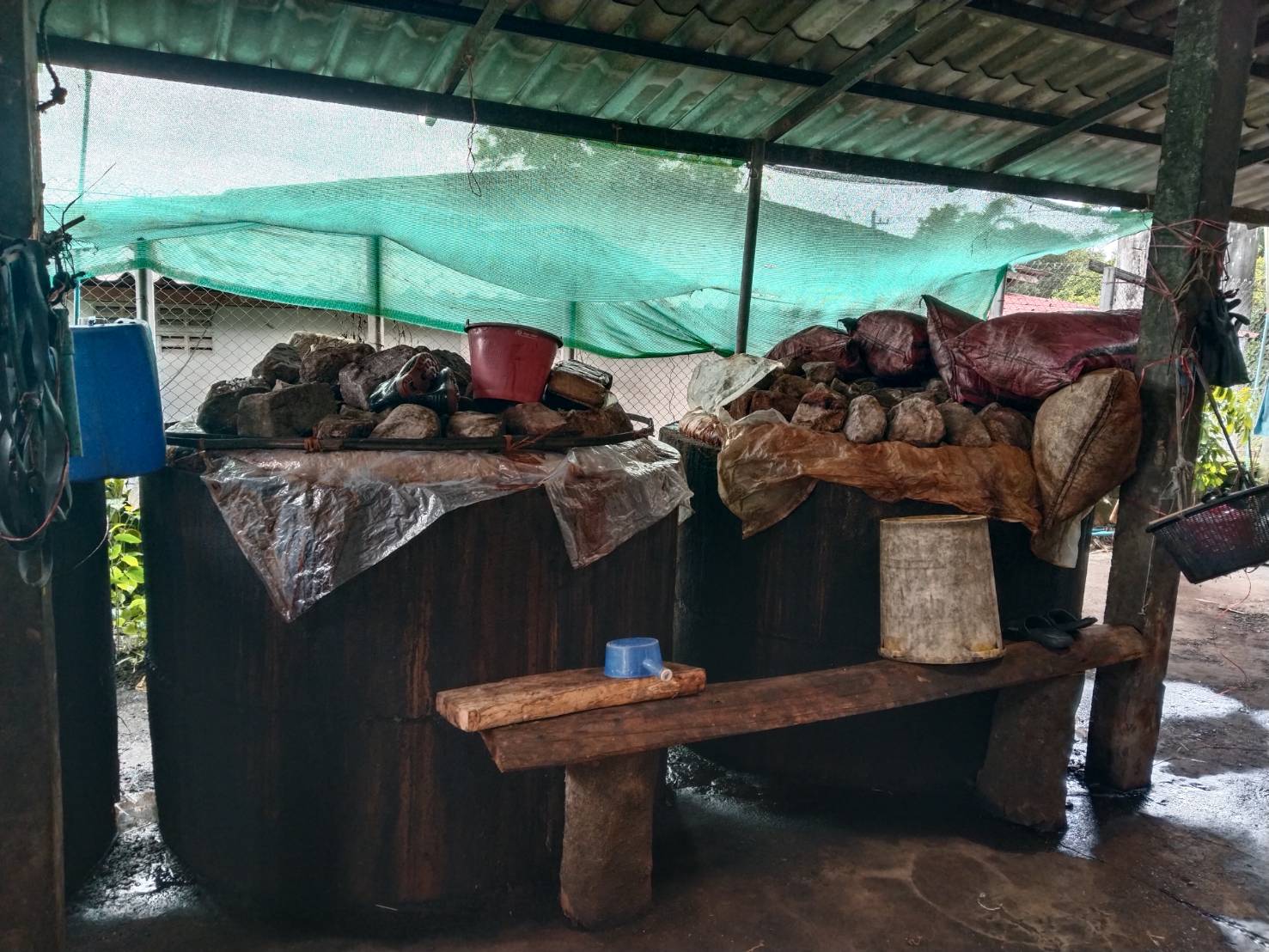
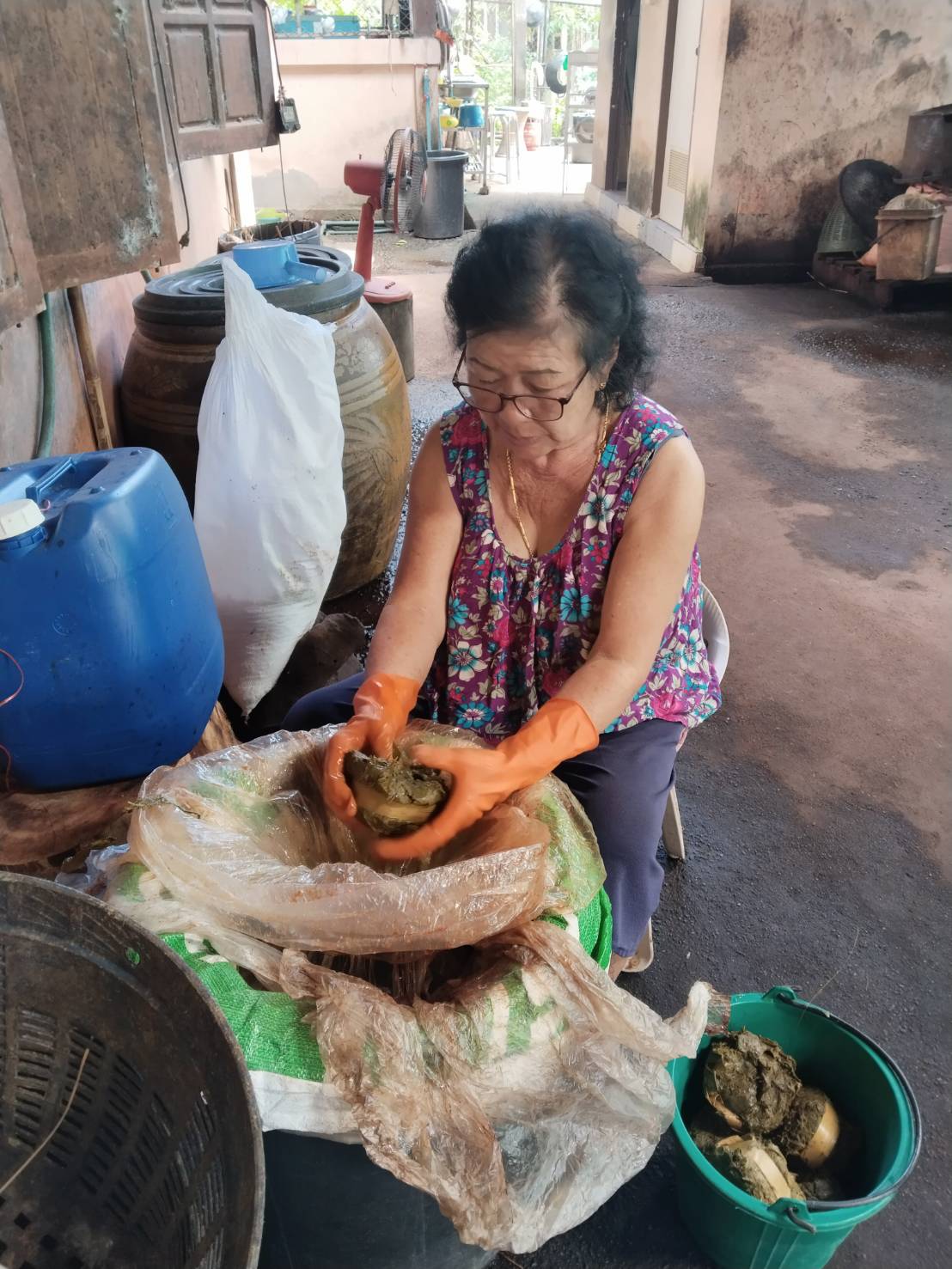
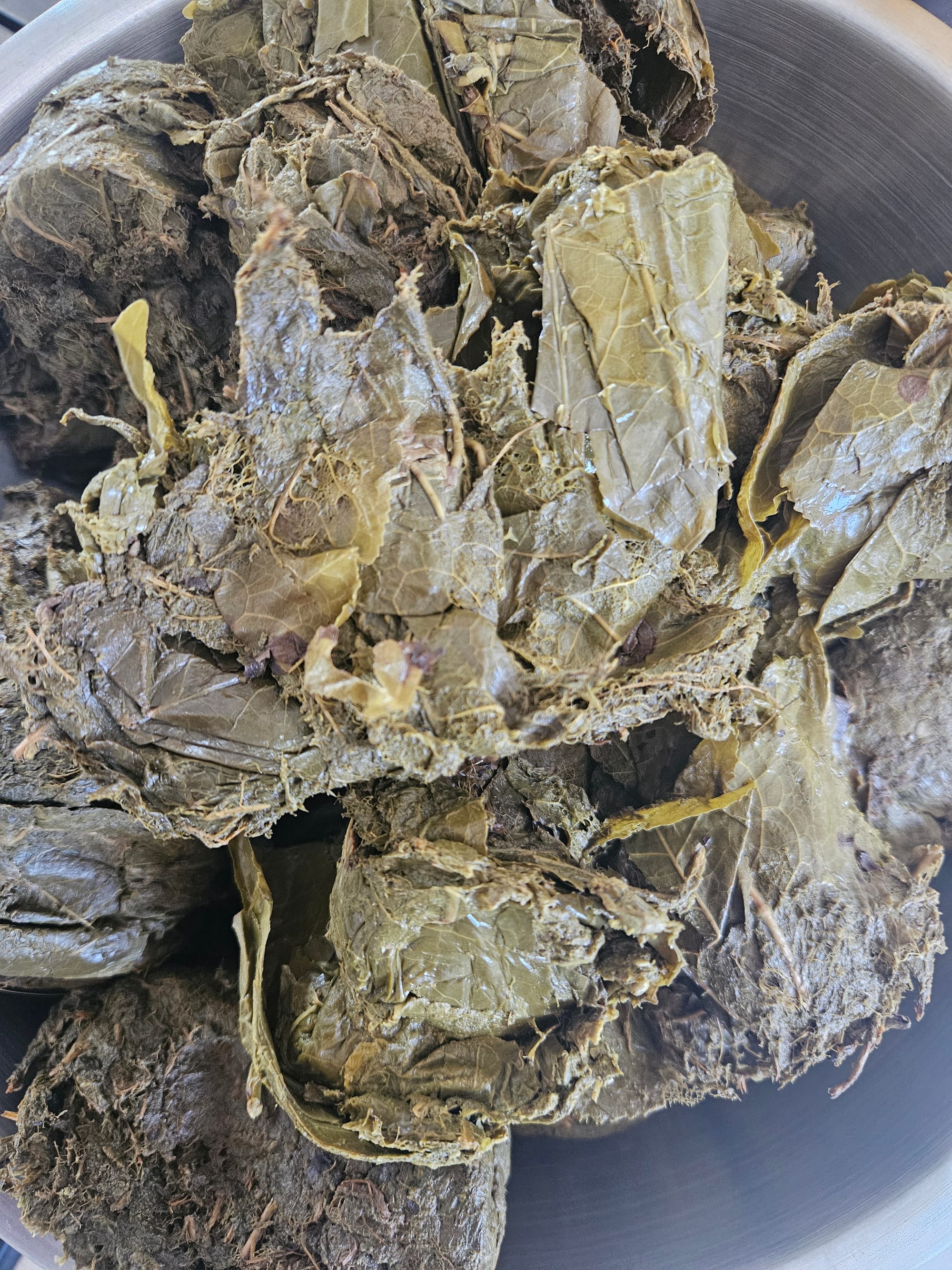
Fresh tea leaves are bitter and green. What makes Miang Miang is what happens after the steaming: leaves are pressed tightly into an airtight container to force anaerobic conditions, and left for lactic acid bacteria and native yeasts to take over. Depending on the fermentation time, two very different materials emerge:
- Miang faat ("astringent Miang") — a shorter fermentation of a few weeks, still tannic and green-edged.
- Miang som / Miang priew ("sour Miang") — three months to a year, submerged and sealed, developing a deep, sour, almost animalic complexity.
It is this long, slow, oxygen-starved transformation — the same biochemical family of processes behind pu-erh and kombucha — that turns a green leaf into something closer to leather, tobacco and dried fruit. Fermentation doesn't just change the taste. It rewrites the molecule.
From the Cup to the Flask
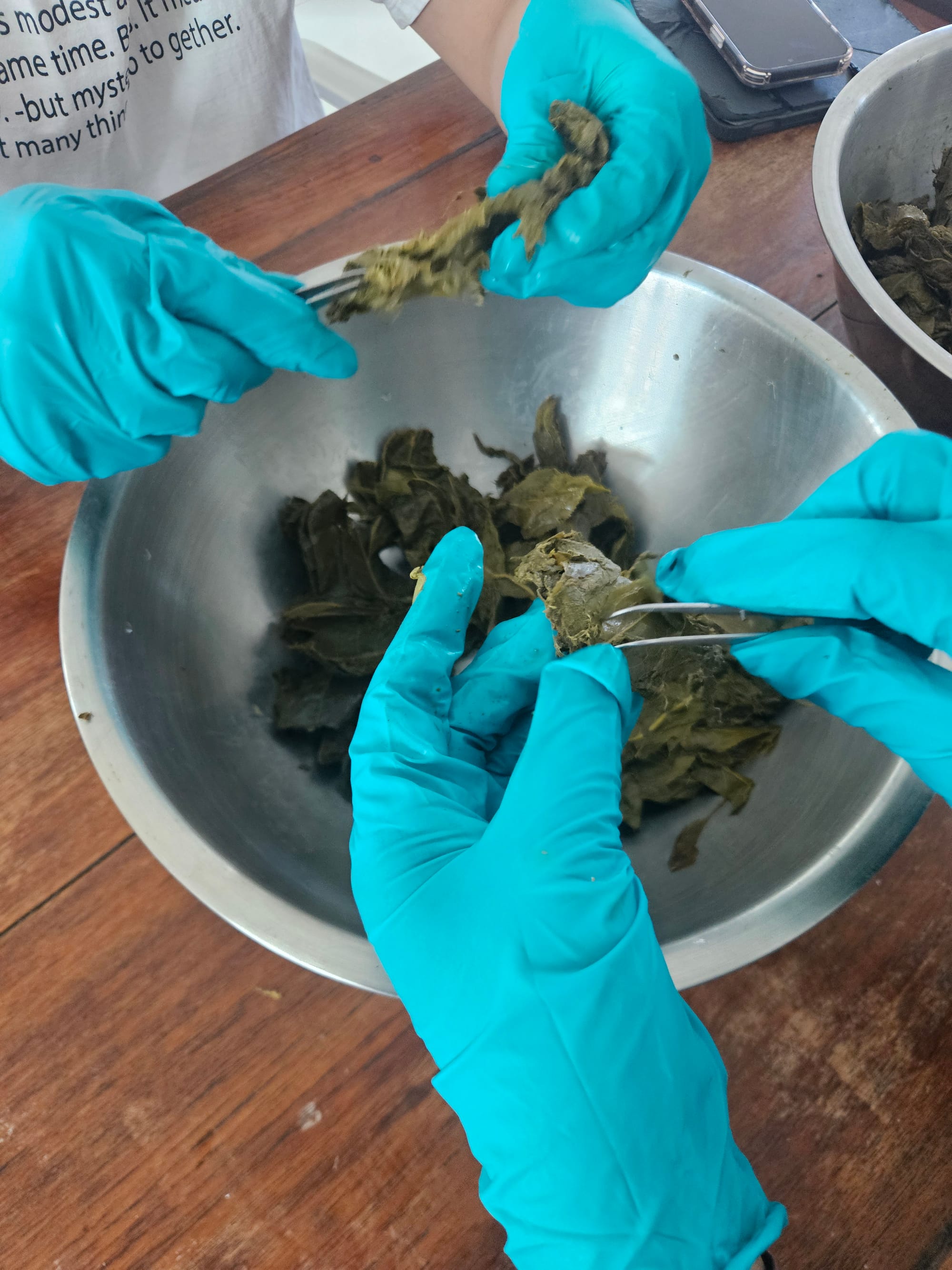
Miang is a living tradition under quiet pressure: younger generations have largely moved away from chewing tea, and most of today's producers are elders continuing what their grandparents taught them. Research groups at Chiang Mai University have spent years documenting the practice and exploring new applications — from skincare actives to bioplastics — precisely because they see in Miang what we saw the first time we opened a jar of macerated leaves at LOSiam: a material too singular to disappear.
We source our leaves from San Kampaeng, following the traditional steaming and anaerobic fermentation, before extracting the absolute by solvent.
The Olfactory Profile
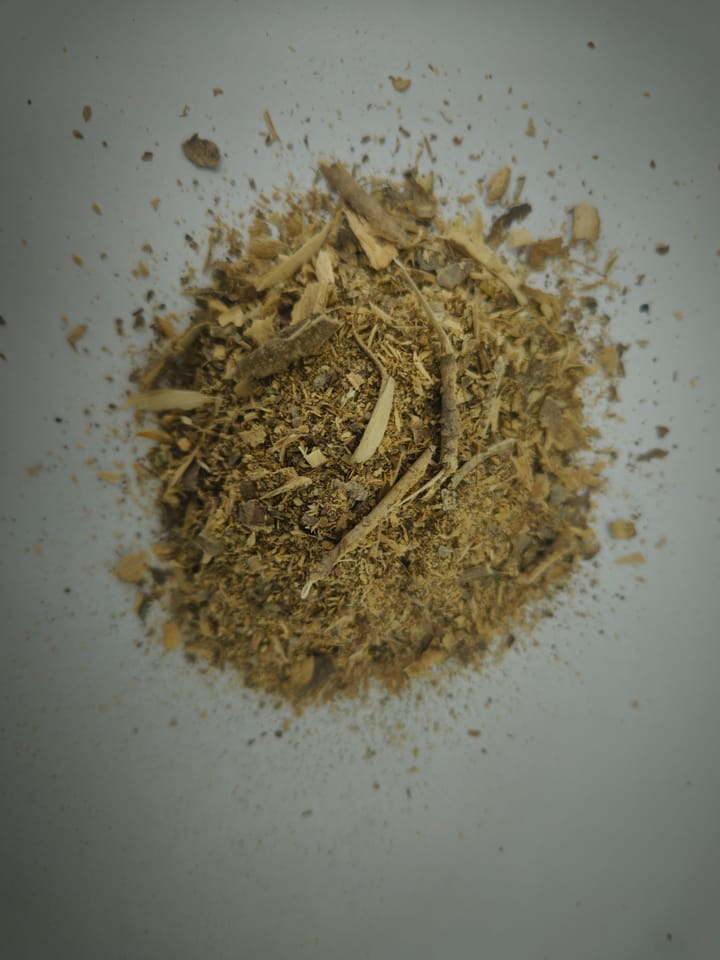
Miang does not smell like tea. It smells like the idea of tea, aged into something else entirely:
- Animalic, yet vegan — a warmth with real depth, and no animal material involved
- Pu'erh earthiness — damp, mineral, forest-floor
- Damp tobacco — the same fermented, leathery register as an aged leaf
- A noble, stable warmth that holds rather than fades
- Apricot roundness — a soft, dried-fruit sweetness that keeps the whole accord from tipping into darkness
It is this last facet — the apricot — that makes Miang so useful in composition. Most naturals in the animalic-tobacco register (birch tar, castoreum alternatives, aged leather bases) are one-dimensional and heavy. Miang carries its weight with a fruit-like lift underneath, closer to a Pu'erh tea than a raw hide. For perfumers building oriental, chypre or skin-musk accords who want something real instead of a synthetic animalic note, this is rare territory.
Coming Soon — Reserved Until Now
Miang has been an R&D material at LOSiam for a long time, precisely because it deserved the patience the tradition itself demands. It is being released as part of our 2026 collection, and has been selected by Chiang Mai Design Week 2026 and its "Make Scents, Make Sense" fragrance program — an initiative dedicated to putting Northern Thailand's local botanical ingredients directly into the hands of perfumers and designers.
If you work in fine fragrance and want to be among the first to smell it, reach out — samples will be limited, in keeping with what this material has always been: something kept in reserve, until now.
This concrete-to-absolute route is one of four extraction methods we use at LOSiam. See how it compares to CO2 extraction and renewable-solvent maceration in our Perfumer's Glossary of Natural Extraction.
Miang took months to extract for the first time anywhere. Subscribe to hear about the next Thai botanical nobody's worked with yet.
Explore further. If this material interests you, see also our Golden Virginia Tobacco Absolute and our Old Teak Sawdust Absolute. The full range is on Our Products. It is also part of the Lanna Discovery Kit, five absolutes at 2 g each.
Technical data
- Botanical name: Camellia sinensis var. assamica (fermented)
- Extract part: fermented leaves
- Form: absolute
- Olfactory family: animalic · tobacco · apricot
- Process: solvent extraction
- CAS: N/A
- EINECS: N/A
- FEMA: N/A
- Harvest window: all year
- Origin: hand-harvested, San Kampaeng, Northern Thailand
info@losiam.com · www.losiam.com
Sources: Slow Food Foundation Ark of Taste; Kanpiengjai et al., "Recent Research Advances and Ethno-Botanical History of Miang" (ScienceDirect); Chiang Mai Citylife, "Chiang Mai University Pioneers Fermented Tea Leaves as Superfood"; "Local Wisdom of Miang Lifestyle" (MDPI Sustainability, 2021).
Comments ()