
Pomelo Flower Absolute: The Other Citrus Blossom
Everyone in Thailand knows the pomelo. Almost nobody in perfumery has smelled its flower as an absolute.
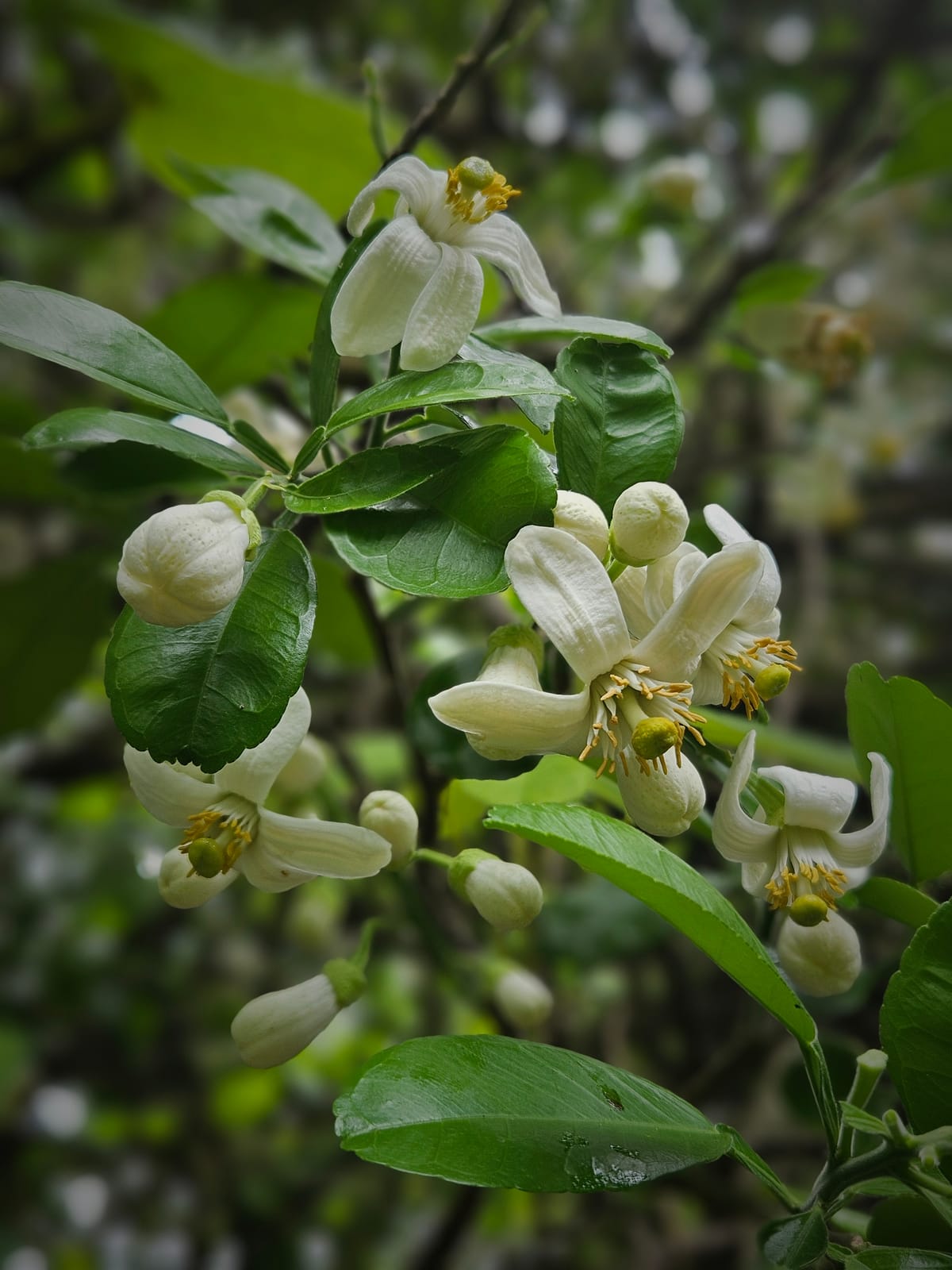
Everyone in Thailand knows the pomelo. Almost nobody in perfumery has smelled its flower as an absolute.
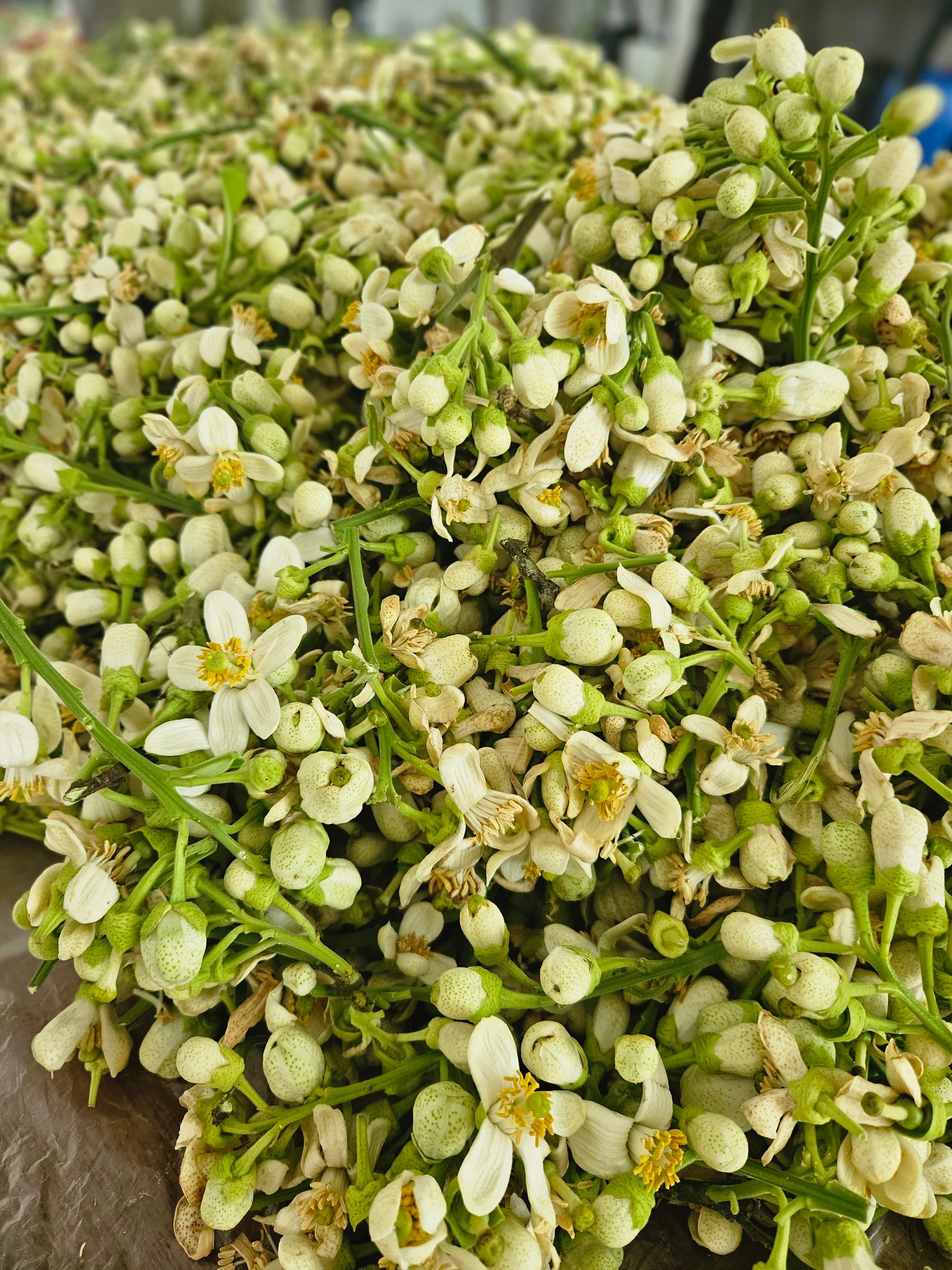
Every spring, in the orchards around Chiang Dao, north of Chiang Mai, the pomelo trees flower. The blossoms are white, waxy, heavy with scent, and they last only a few weeks. Each one, left on the branch, is a future fruit: a pomelo that will end up on a market stall, in a salad, on a temple altar.
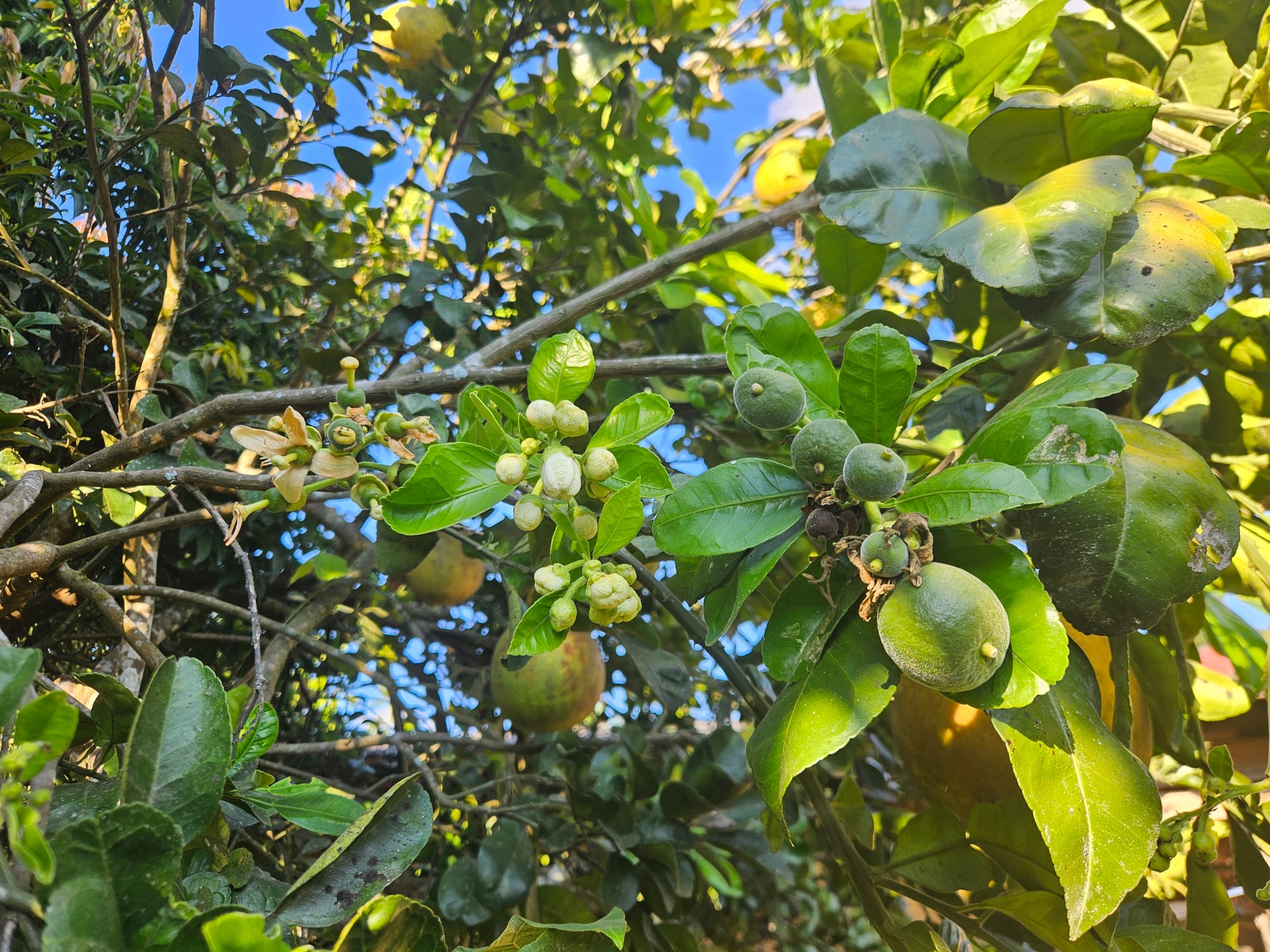
Every flower we pick is a pomelo that will never grow. That single fact shaped everything about how this material came to exist. Hand-harvested fresh, the flowers become one of the most luminous materials in our range: Pomelo Flower absolute, Citrus maxima.
The citrus blossom perfumers think they know
When a perfumer says "citrus blossom", they almost always mean one tree: the bitter orange, Citrus aurantium. Its flowers give the two classic materials of the family. Neroli oil, obtained by steam distillation, is fresh, green, slightly metallic. Orange flower absolute, obtained by solvent extraction, is heavier, honeyed, more indolic. Between them, they define what the industry expects a citrus flower to smell like.
The pomelo is a different species altogether. Citrus maxima is one of the ancestral citrus trees, a parent of the grapefruit and, further back, of the sweet orange. Its flower belongs to the same olfactory family as orange blossom, and a perfumer will recognise the kinship immediately. But it does not sit in the same place.
On a blotter, our Pomelo Flower absolute sits close to neroli, but it is its own material: sparkling, contemporary, unmistakably pomelo. It is soft and powerful at the same time, with what we can only describe as an immaculate white light. The opening has a genuine effervescence, a pétillant quality, closer to the fizz of a freshly cut peel than to the density of a classic orange flower absolute. Underneath: a neroli-adjacent brightness, a thread of bitter citrus peel, and a honeyed orange blossom heart that stays delicate rather than heady.
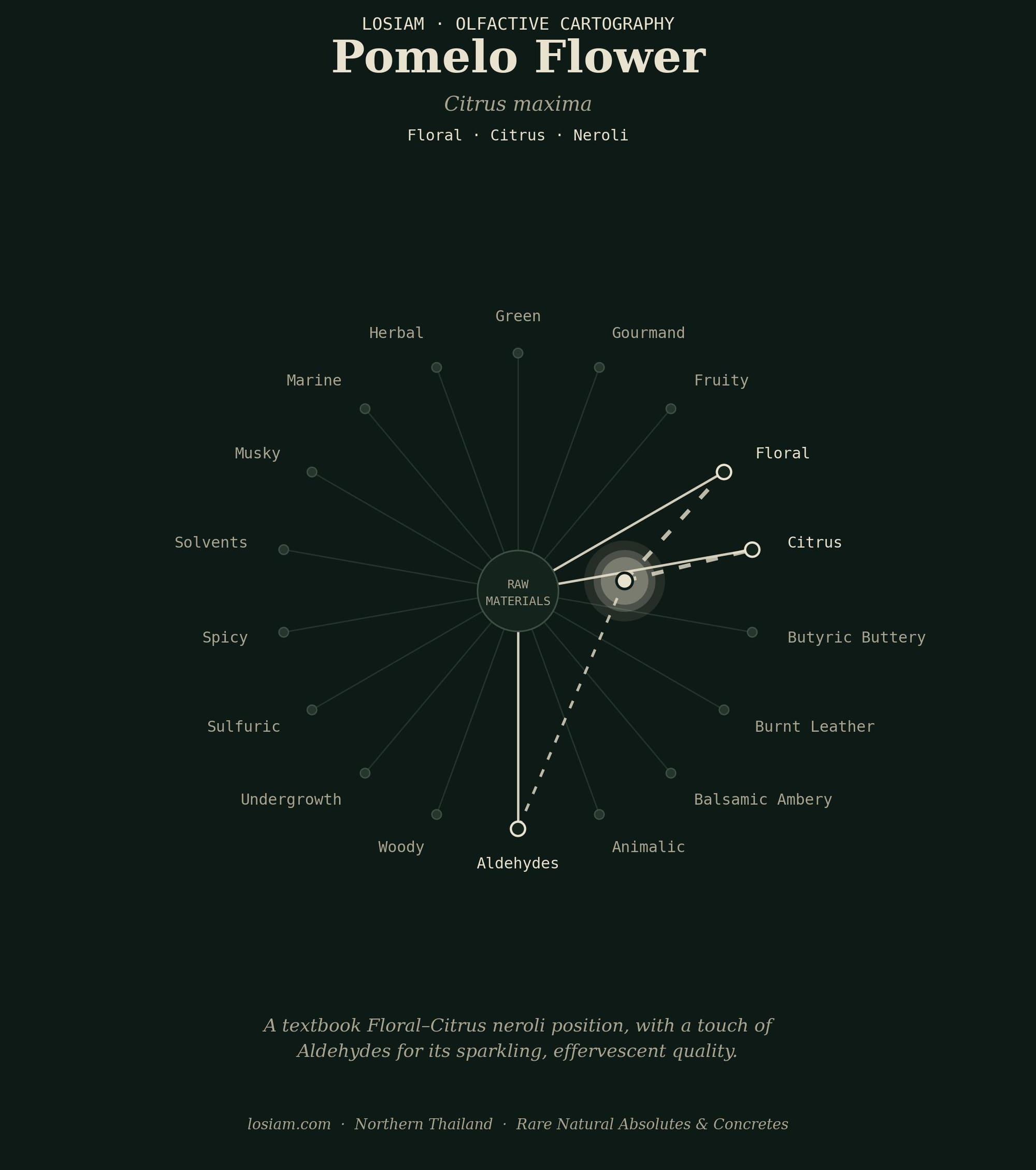
On our own olfactive map, it lands between floral and citrus, with a neroli facet and a pull toward the aldehydic: that is where the sparkle comes from.
The practical consequence for a formulator is diffusion. Where a traditional orange flower absolute can weigh down the top of a composition, pomelo flower lifts it. It behaves less like a heart note that needs to be carried, and more like a note that carries itself.
Why an absolute, and not an oil
The flower is fragile. Its scent is, in the words of our own evaluation notes, delicate and fleeting. That fragility is exactly why the extraction method matters.
Steam distillation, the route to neroli, exposes flowers to water and heat for an extended period. It is a proven method, but it has known costs: part of the aromatic profile stays in the distillation water (which is why orange flower water exists as a product of its own), and heat-sensitive facets can be altered along the way.
Solvent extraction works differently. The fresh flowers are macerated in hexane to produce a concrete, which is then washed in ethanol to remove the waxes and leave the absolute. No prolonged boiling, no loss to the hydrolat. What reaches the bottle is closer to what the flower smelled like in the orchard that morning. (Our Perfumer's Glossary of Natural Extraction breaks down the concrete-to-absolute route in detail, and how it compares to CO2 extraction.)
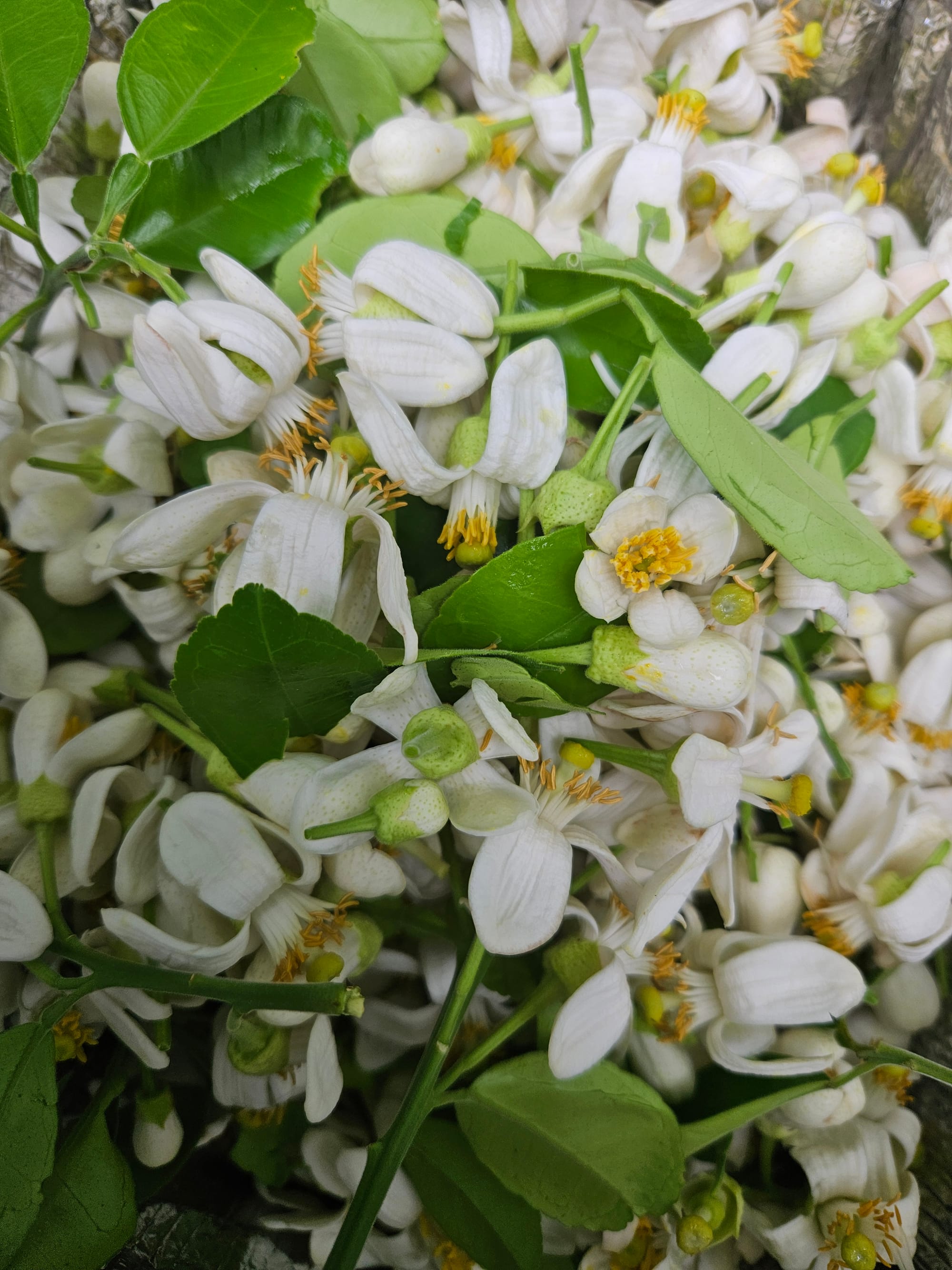
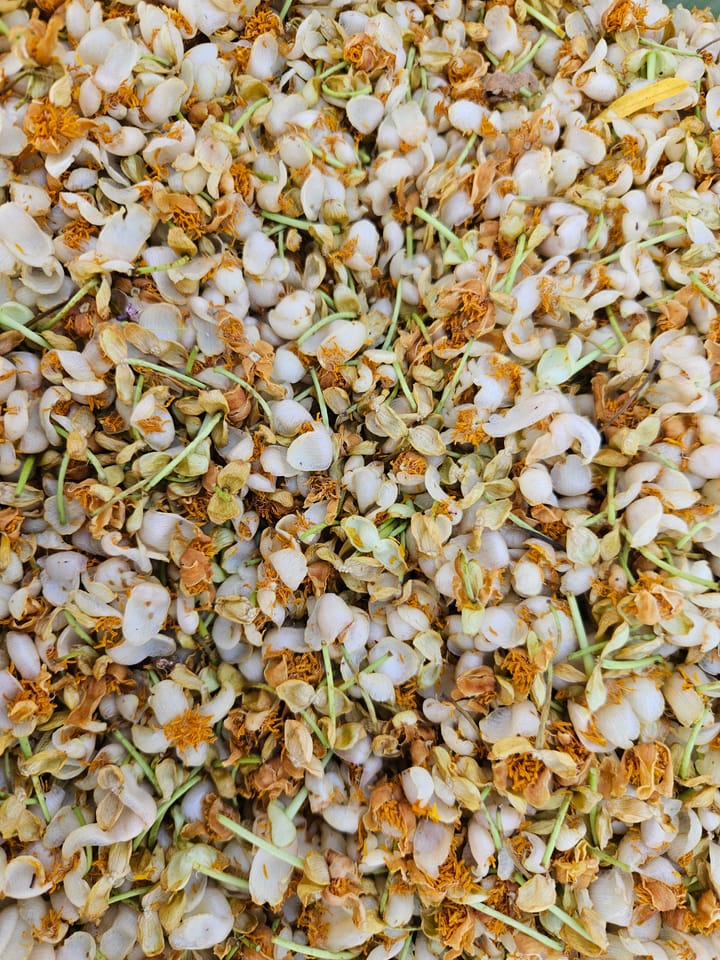
For a flower this ephemeral, we think that is the right trade-off. Freshness is everything, and we learned that the hard way. Our first idea was to work with fallen flowers: the ones that drop naturally after pollination, once the fruit has set. No fruit sacrificed, no difficult conversation with the growers. The blotters settled the question. By the time a pomelo flower reaches the ground, it has already started to ferment, and the absolute carried that fermentation instead of the flower. The quality was nowhere near good enough.
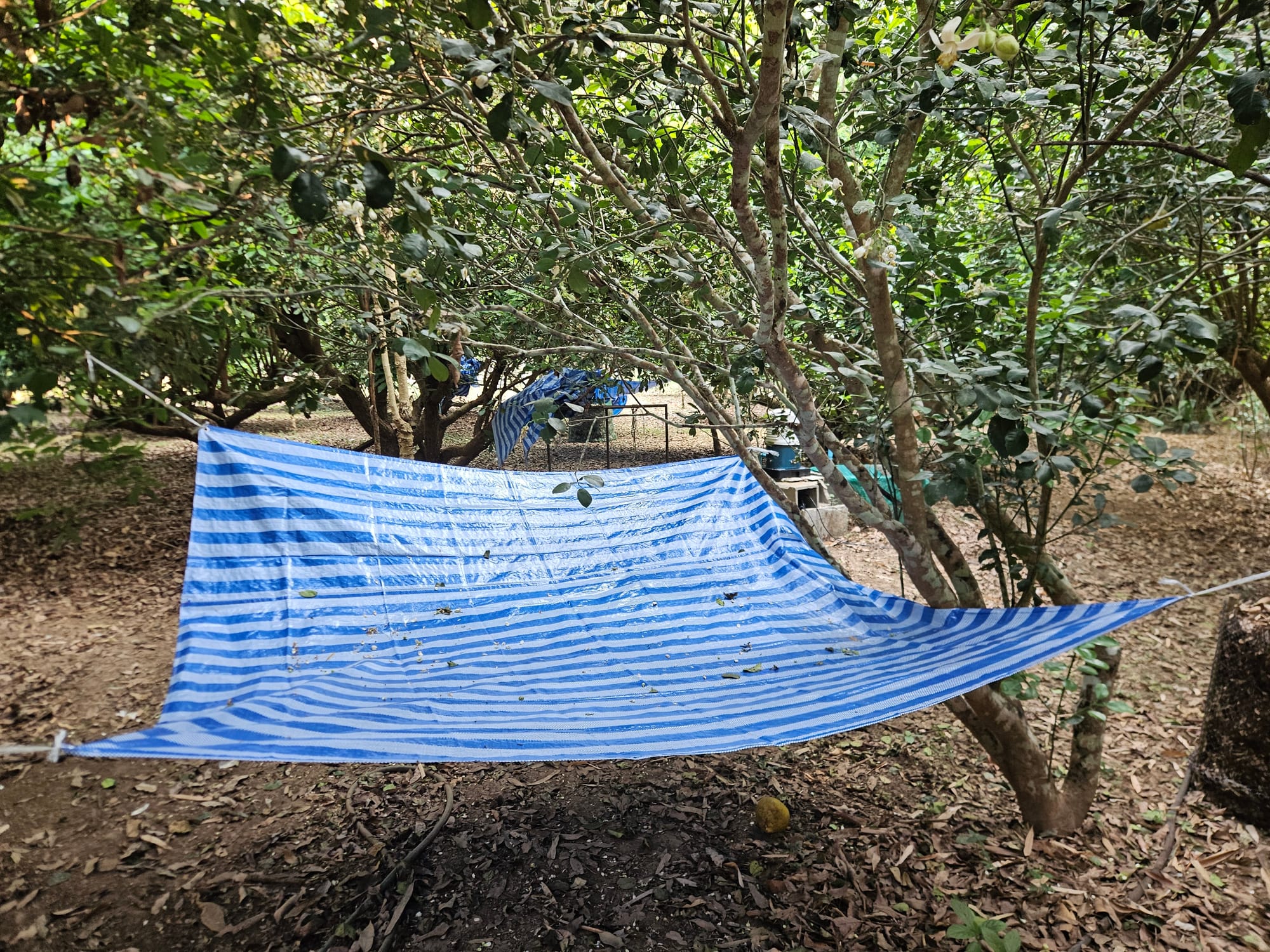
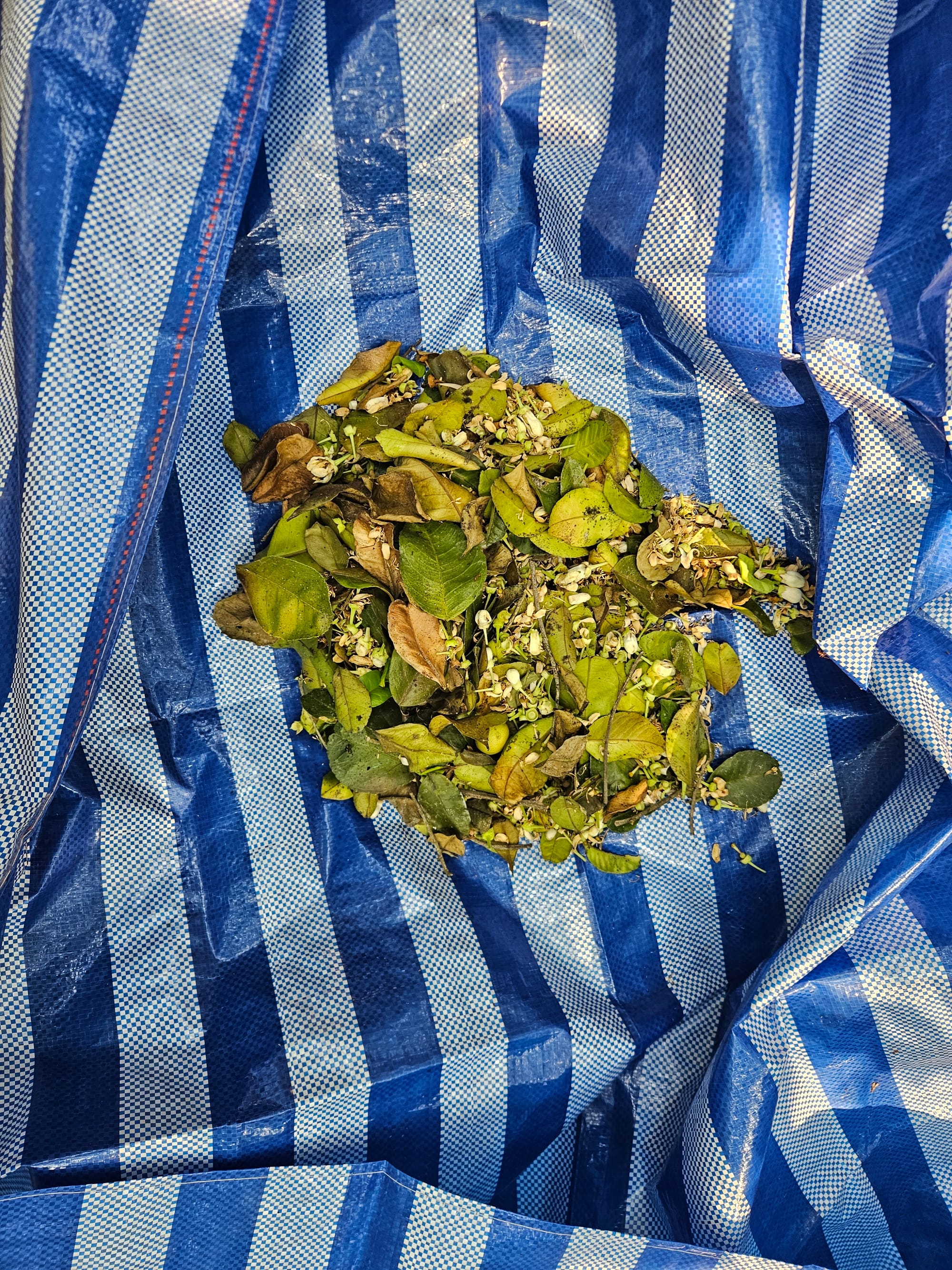
Tarp stretched under a pomelo tree to collect fallen flowers / Fallen pomelo flowers and leaves collected on a tarp, already browning
So the flowers have to be picked fresh, by hand, on the tree, and go from branch to extraction as quickly as we can manage. We pick them half-open, because that is the stage at which they smell strongest.
Where pomelo sits on the market today
Pomelo is not unknown to perfumery, but almost always through its fruit. The pomelo materials in most catalogues are cold-pressed or distilled peel oils: bright, bitter, grapefruit-adjacent, useful, and fairly interchangeable. The pomelo blossom is better known as an idea than as a material: a note in a handful of niche fragrances, a scent used to perfume oolong teas in Taiwan and southern China, and occasionally a small-batch distilled oil or a CO2 extract from elsewhere in Southeast Asia.
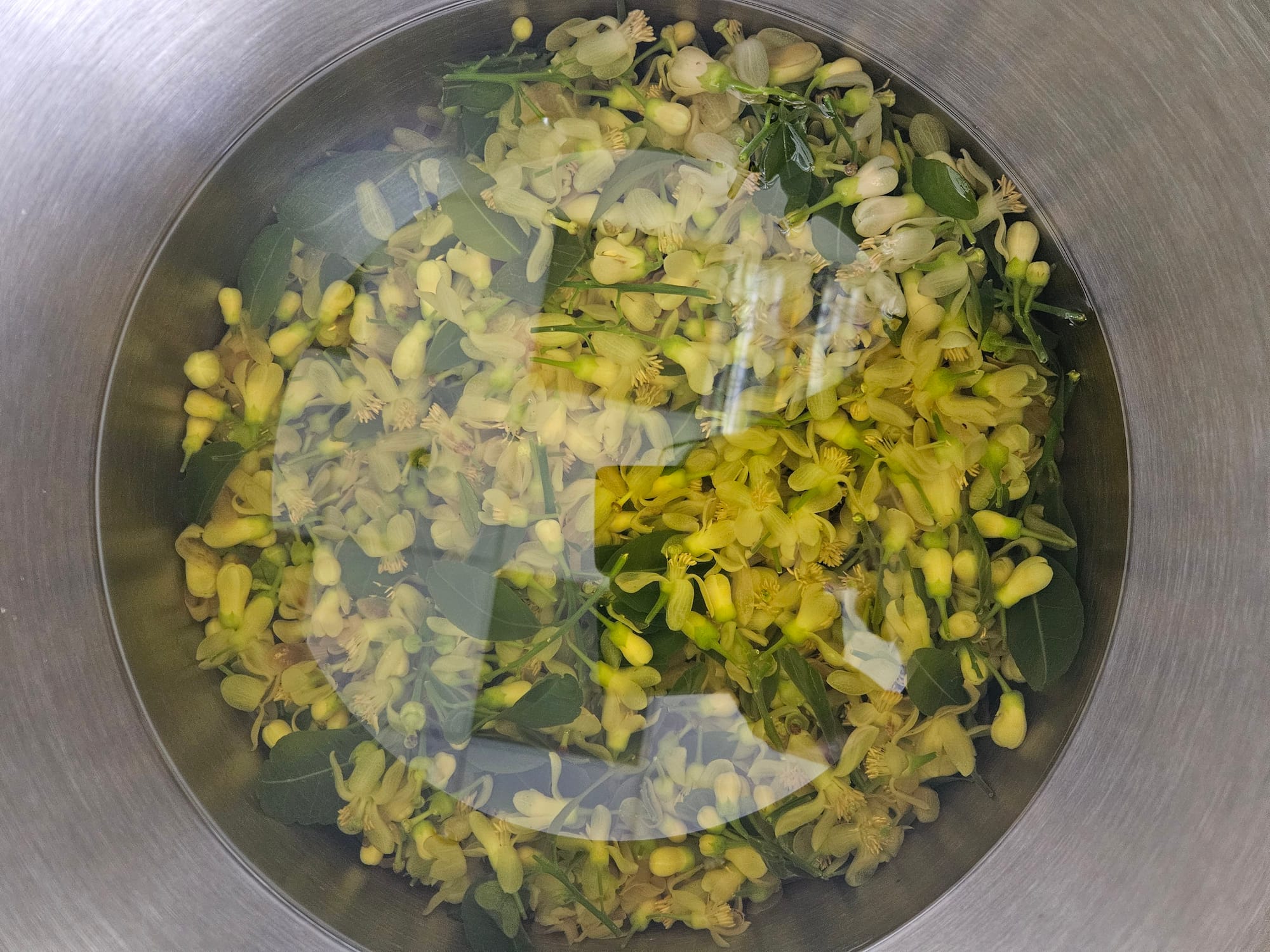
A solvent-extracted absolute from flowers picked fresh on the tree, sourced from three families we work with directly and traceable to a single district, is a different proposition.
| Material | Botanical source | Part | Typical process | Olfactory character |
|---|---|---|---|---|
| Neroli oil | Citrus aurantium | Flower | Steam distillation | Fresh, green, slightly metallic |
| Orange flower absolute | Citrus aurantium | Flower | Solvent extraction | Honeyed, dense, indolic |
| Pomelo oil | Citrus maxima | Peel | Cold press or distillation | Bitter, zesty, grapefruit-like |
| LOSiam Pomelo Flower absolute | Citrus maxima | Fresh flower, hand-harvested | Solvent extraction | Sparkling, neroli facet, bitter peel, honeyed blossom, diffusive |
Dok Som-O: a flower Thailand already knows by heart
In Thailand, the pomelo, som-o, is far more than a fruit. It is a symbol of abundance, prosperity and spiritual purity, and it appears on altars and in offerings as much as on the table. Its flowers, dok som-o, hold their own place in traditional Thai life.
We did not discover that pomelo flowers smell beautiful. People in northern Thailand have known it for generations, and we have not changed anything about how the trees are grown. What we did was ask a narrower question: what would this scent become in a bottle, for a perfumer in Grasse, Paris or New York who will never stand under a pomelo tree in Chiang Dao?
The orchard, the harvest, the season
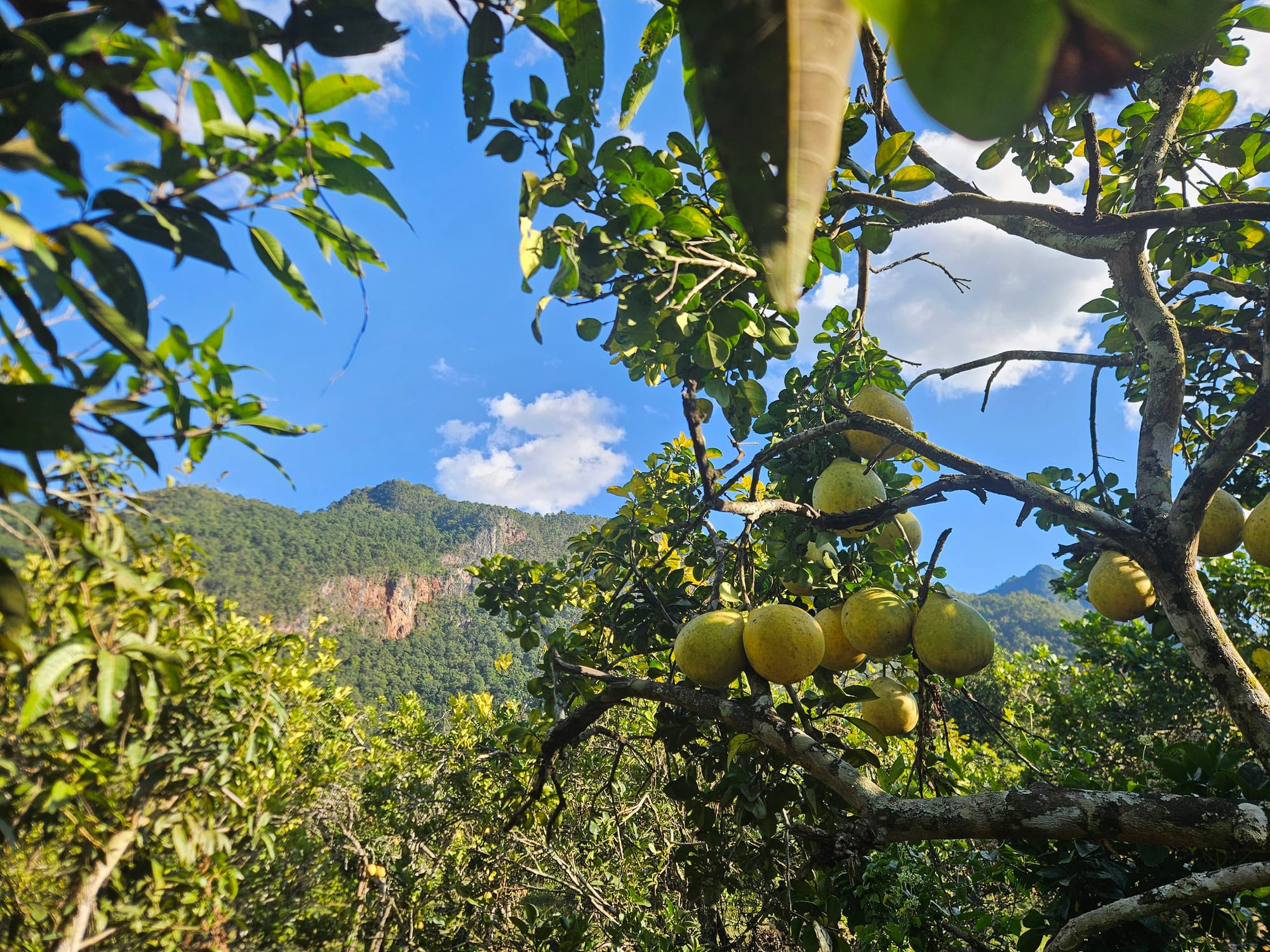
Our pomelo flowers come from Chiang Dao, in Chiang Mai province, where we source directly at the farm. The flowers are picked by hand, fresh, during the flowering season, which runs roughly from March to May. There is one harvest a year. When it is over, it is over until the following spring.
Three families, and a price built on fruit
Three families harvest our pomelo flowers. Convincing them was the real difficulty behind this material, and not for lack of goodwill.
For a pomelo grower, the flower is not the product. The fruit is. It is what they sell at the market, what the household income is built on. Asking a family to pick flowers fresh means asking them to give up the fruit those flowers would have become. No sensible grower says yes to that on the strength of a perfumer's enthusiasm.
So we did the arithmetic with them. Together, we classified their trees into small, medium and large, estimated how many fruits each size of tree produces in a season, and priced that against what the fruit sells for. That figure became our floor: whatever we pay for the flowers has to at least match what the families would have earned from the fruit. Anything less, and the material would exist at their expense.
We were also honest about the difference between the two kinds of work. A flower season is shorter than a fruit season, and far more intense: a few weeks of daily picking, fresh, before the blossoms open too far. But once it is over, there is almost nothing left to do on the trees until the next spring, apart perhaps from an annual pruning. No months of tending, protecting and harvesting heavy fruit. Different work, compressed into a few weeks, at a price that respects what it replaces.
This is what "sourced directly at the farm" means to us in practice. Not a label: a negotiation, tree by tree, with the people whose income is on the line.
How we would start using it
Pomelo Flower is not a neroli substitute, and we do not sell it as one. It is a different citrus blossom, from a different tree, with its own personality and its own place in a formula. A few places where it earns its keep:
- Cologne and hesperidic structures, as a floral bridge between the citrus top and the heart, adding lift where orange flower absolute would add weight.
- White floral accords, to bring air and light around denser materials (jasmine, tuberose, gardenia) without the heaviness of a second indolic note.
- Citrus blossom accords, alongside neroli or orange flower rather than instead of them, for diffusion and sparkle.
- Modern "clean" or solar floral signatures, where the brief calls for brightness that still reads as natural.
As always, evaluate it at 10 to 20% in alcohol on a blotter first, and follow it over several hours: the effervescent opening is the headline, but the honeyed blossom heart is what stays.
Availability
Pomelo Flower is a seasonal, small-batch material, currently offered at sample and small-batch scale. If you are evaluating it for a formula headed to market, tell us early: those conversations shape how much we harvest next spring.
To be clear about where we stand: the IFRA statement for Pomelo Flower is not available yet. A Safety Data Sheet and a Certificate of Analysis come with every order, and interest from formulators is what decides when we qualify it.
Want to smell it? Request a sample, or write to us at info@losiam.com.
Technical data
- Botanical name: Citrus maxima (syn. Citrus grandis)
- Extract part: fresh flowers, hand-picked on the tree
- Form: absolute
- Olfactory family: floral · citrus · neroli
- Process: solvent extraction (concrete, then ethanol wash to absolute)
- CAS: N/A
- EINECS: N/A
- FEMA: N/A
- IFRA statement: not yet available
- Harvest window: March to May
- Origin: Chiang Dao, Chiang Mai, Thailand
Related reading: Perfumer's Glossary of Natural Extraction · Rare Saraphi Absolute · Our Products
Comments ()